

Bumpy Johnson: Harlem’s Numbers Boss, Alcatraz Inmate and Legend
Ellsworth “Bumpy” Johnson was the best-known Black gangster in Harlem for more than thirty years. He came up in the 1930s as an enforcer for the numbers operator Stephanie St. Clair during her war with Dutch Schultz, and after Schultz’s murder in 1935 he became the dominant independent figure in Harlem’s rackets, dealing with the Italian mob rather than working for it.
🎁 The NCS Christmas Gift Guide
Gifts for the
Mob-History Fan
Real gangsters, gold Art Deco. Printed to order and shipped from a print partner near them.
Shop the gift guide →

Order printed gifts by 10 December for Christmas · Ships worldwide
In 1952 he was convicted of conspiring to sell heroin and sentenced to 15 years, much of which he served at Alcatraz. He was paroled in 1963 and died of a heart attack in a Harlem restaurant on 7 July 1968, aged 62. Since then his story has been retold so often, and so loosely, that the record and the legend are hard to tell apart. This is what the record supports.

Quick facts
| Full name | Ellsworth Raymond Johnson |
| Born | 31 October 1905, Charleston, South Carolina |
| Base | Harlem, Manhattan |
| Rackets | Numbers (illegal lottery), loansharking and later narcotics |
| Main conviction | 1952, conspiracy to sell heroin; sentenced to 15 years |
| Prison | Served much of his sentence at Alcatraz; paroled 1963 |
| Wife | Mayme Hatcher, married 1948 |
| Died | 7 July 1968, Wells Restaurant, Harlem, of a heart attack, aged 62 |
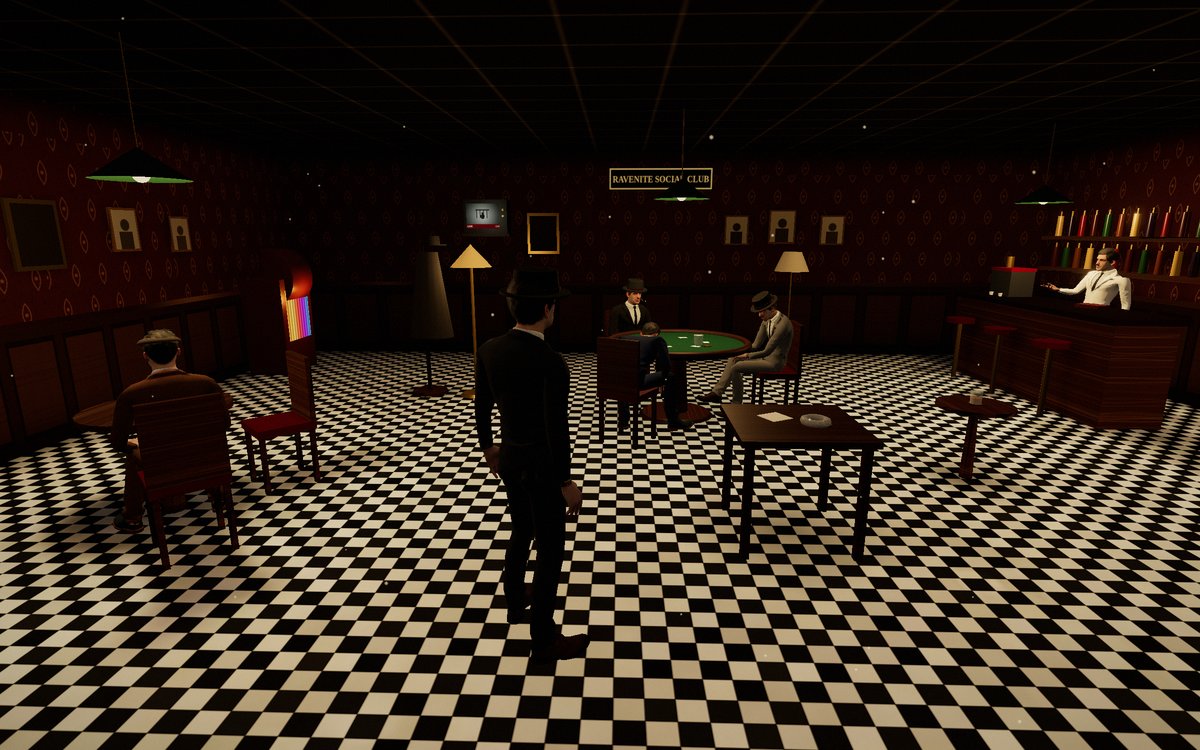
The Ravenite escape room
247 Mulberry Street, December 1989. The FBI hit the building next. Walk the scene in 3D, read the real evidence and crack the padlock before the clock runs out.
Play free in your browser →No download. Works on phone and desktop.or get the app: App Store · Google PlayFrom Charleston to Harlem
Johnson was born in Charleston, South Carolina, on 31 October 1905. As a boy in the 1910s he was sent north to live in Harlem, where his family had relatives; accounts differ on the exact year and the reason. The nickname “Bumpy” is usually said to come from a bump on the back of his head.
Harlem in the 1920s was the centre of Black America: crowded, poor in places, but alive with music, writing and business. It was also the home of the numbers, an illegal daily lottery in which people bet small sums on three digits. Numbers banks employed thousands of runners and collectors and, for a long time, were run by Black and Caribbean operators. The young Johnson was in trouble early, and spent time in reformatories and prison in his teens and twenties.
Stephanie St. Clair and the numbers war
In the early 1930s Johnson went to work for Stephanie St. Clair, known as “Madame Queen”, one of Harlem’s leading numbers bankers. When Prohibition ended in 1933, white gangsters who had grown rich on bootlegging looked for new income, and the Bronx gangster Dutch Schultz moved to take over the Harlem numbers by force. St. Clair refused to give in, and Johnson became one of her main enforcers in the violent struggle that followed.
The war ended with the murder of Dutch Schultz in Newark in October 1935, on the orders of the other New York bosses, who had decided he was too dangerous to keep alive. Read more about the men who made that decision: Lucky Luciano and the history of the National Crime Syndicate, and see our list of famous mob hits.
The Harlem arrangement
After Schultz, the numbers in Harlem were increasingly controlled by Italian-American crews. Johnson did not try to fight them. Instead, according to most accounts, he reached an understanding: Black-run operations in Harlem could carry on, with a share going to the Italian bosses, and Johnson acted as a go-between and protector. It made him the most powerful independent Black racketeer in Harlem, the man people went to when they needed a dispute settled or a debt collected.
He also cultivated a public image very different from most gangsters. He read widely, wrote poetry and liked to be seen with writers and musicians. In 1948 he married Mayme Hatcher, who remained loyal to his memory all her life and later spent years correcting stories told about him. In Harlem he was known for paying for Christmas parties for poor children and helping families facing eviction, gestures that made him popular with many people, whatever the source of the money.
The heroin conviction
In 1952 Johnson was convicted of conspiring to sell heroin and sentenced to 15 years in federal prison. His appeal failed, and he began serving the sentence in the mid-1950s. For a man who had built his name on the numbers, it was the moment his career tied him to the drug trade that would soon devastate Harlem.
Alcatraz
Johnson served much of the sentence at Alcatraz, the maximum-security federal prison on an island in San Francisco Bay, where inmates were sent for being difficult or dangerous elsewhere in the federal system. He was paroled in 1963, the same year Alcatraz closed. According to his wife and others who knew him, he returned to Harlem to a hero’s welcome.

Various stories link him to the famous June 1962 escape from Alcatraz, claiming he helped the escapers once they were off the island. There is no evidence for this, and we treat it as legend.
The 1965 sit-in
In December 1965 Johnson staged a sit-down protest inside a Harlem police station, objecting to what he said was constant police surveillance of him. He was charged with refusing to leave, and was acquitted. It was a characteristic move: public, theatrical, and aimed at casting himself as a Harlem man standing up to the police.
Death at Wells Restaurant
In the early hours of 7 July 1968, Johnson collapsed with a heart attack at Wells Restaurant, a well-known Harlem late-night spot, and died there. He was 62. A childhood friend, Junie Byrd, was with him.
Bumpy Johnson and Frank Lucas
The most repeated modern claim about Johnson is that the heroin dealer Frank Lucas was his driver, bodyguard and right-hand man for fifteen years, and inherited his empire. The dates make this hard to believe: Johnson was in prison for most of the 1950s and early 1960s and lived only five years after his release. Mayme Johnson said Lucas met her husband only in 1963 and drove him a few times at most, and she called Lucas’s account untrue. She also said Lucas was not with Johnson when he died. Read the full story: Frank Lucas, the record and the legend.

What is not in doubt is that Johnson’s death left a gap in Harlem’s underworld at exactly the moment heroin use was soaring. Into it stepped a new generation of dealers, including Lucas and Nicky Barnes, whose operations were far larger, far more violent and far more destructive than anything Johnson had run.
Legacy
Bumpy Johnson has become a symbol: of Black self-reliance in the underworld, of a Harlem that stood up to the Italian mob, of a gangster with a code. Some of that is true; much of it has been added later. He was a man who ran illegal gambling, collected debts by force and was convicted of dealing heroin. He was also, by the accounts of people who knew him, generous, well read and loyal to his neighbourhood. Both sides belong in the story. For more of the figures who shaped American organised crime, see our top 10 mobsters of all time.
If you want to step into the world of the 20th-century mob, try our Five Families escape rooms.
Related reading: Frank Lucas · Nicky Barnes · Lucky Luciano · The ultimate Mafia glossary
FAQs
Who was Bumpy Johnson?
Ellsworth “Bumpy” Johnson was a Harlem gangster who rose in the 1930s as an enforcer for numbers operator Stephanie St. Clair and became the leading independent Black racketeer in Harlem. He died in 1968.
Was Bumpy Johnson in Alcatraz?
Yes. After his 1952 conviction for conspiring to sell heroin he was sentenced to 15 years and served much of it at Alcatraz. He was paroled in 1963.
How did Bumpy Johnson die?
He died of a heart attack in the early hours of 7 July 1968 at Wells Restaurant in Harlem, aged 62.
Was Frank Lucas really Bumpy Johnson’s driver?
Lucas claimed he worked for Johnson for fifteen years, but Johnson was in prison for most of that period. His widow, Mayme Johnson, said Lucas met him only in 1963 and drove him a few times at most.
Who was Stephanie St. Clair?
Stephanie St. Clair, known as “Madame Queen”, was one of Harlem’s biggest numbers bankers in the 1920s and 1930s. She fought Dutch Schultz’s attempt to take over the Harlem numbers, with Johnson as one of her enforcers.
Who was Bumpy Johnson’s wife?
He married Mayme Hatcher in 1948. She outlived him by more than forty years and spent much of that time disputing stories told about him.
What does “the numbers” mean?
The numbers was an illegal daily lottery in which people bet small sums on three digits. In Harlem it was a huge business that employed thousands of runners and collectors.