

Salvatore “Totò” Riina
Salvatore “Totò” Riina was the Sicilian Mafia boss from Corleone who took control of Cosa Nostra in the 1970s and 1980s and turned it against the Italian state. He spent 23 years as a fugitive, mostly in and around Palermo, while his faction, the Corleonesi, wiped out rival bosses and then went after judges, police officers and politicians. Italian prosecutors called him the mastermind of the 1992 bombings that killed the anti-Mafia magistrates Giovanni Falcone and Paolo Borsellino.
🎁 The NCS Christmas Gift Guide
Gifts for the
Mob-History Fan
Real gangsters, gold Art Deco. Printed to order and shipped from a print partner near them.
Shop the gift guide →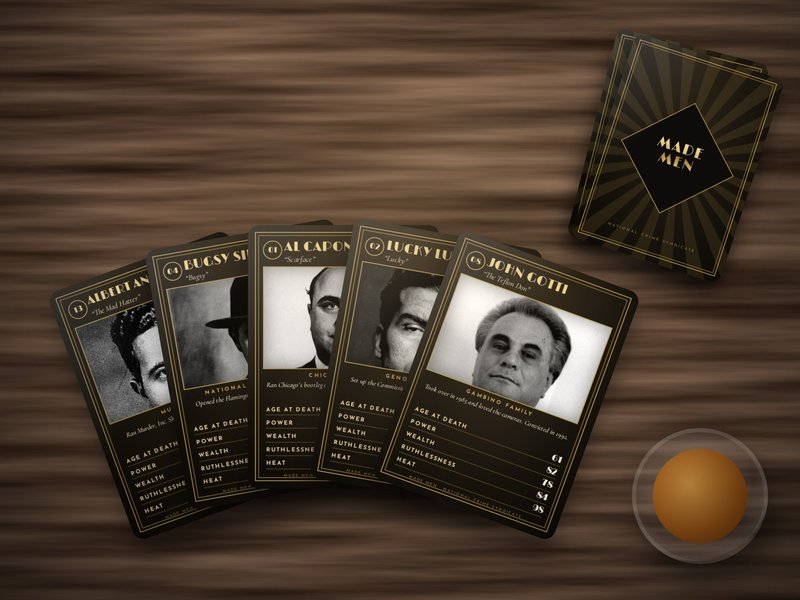
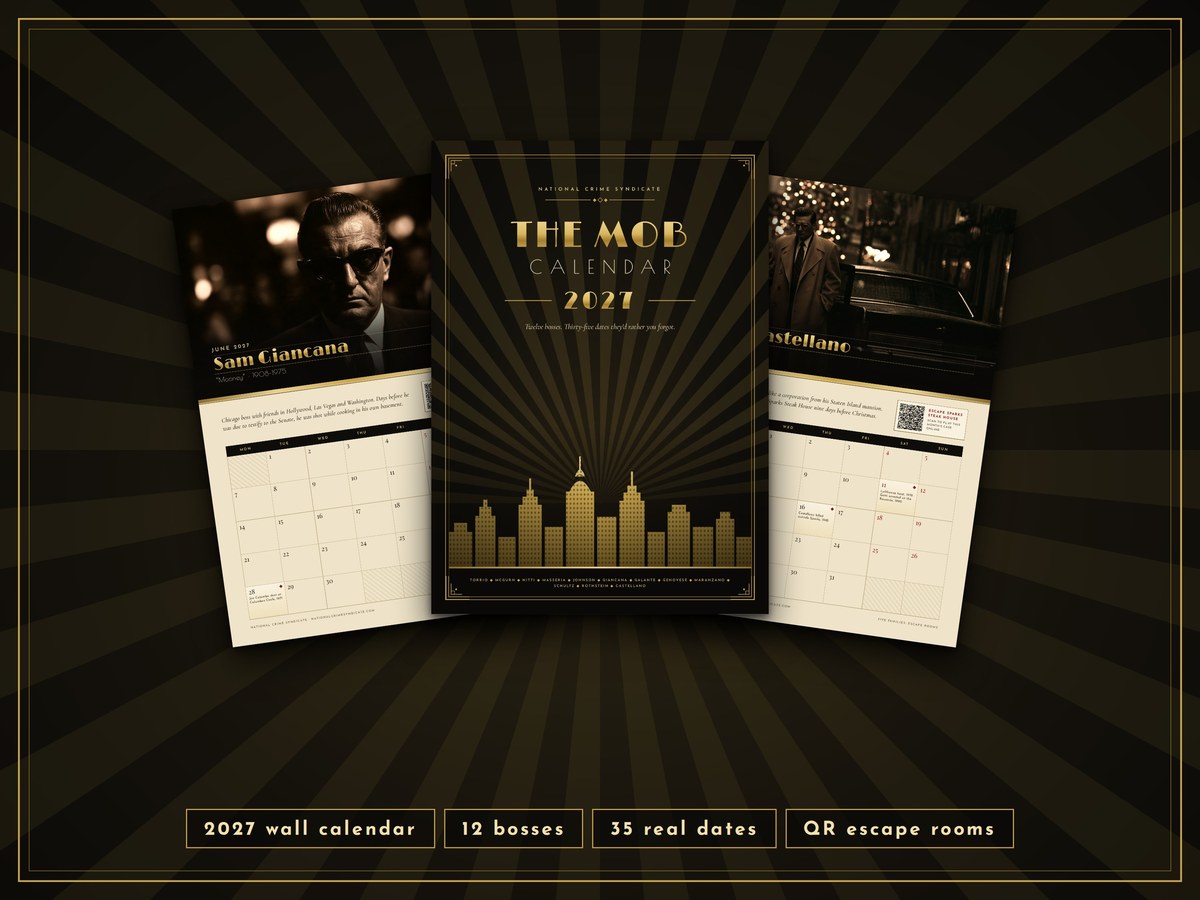
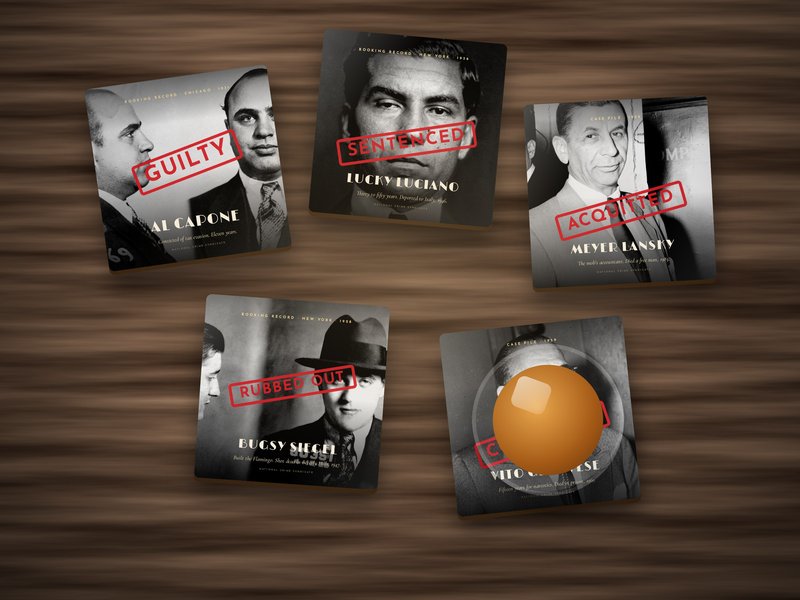
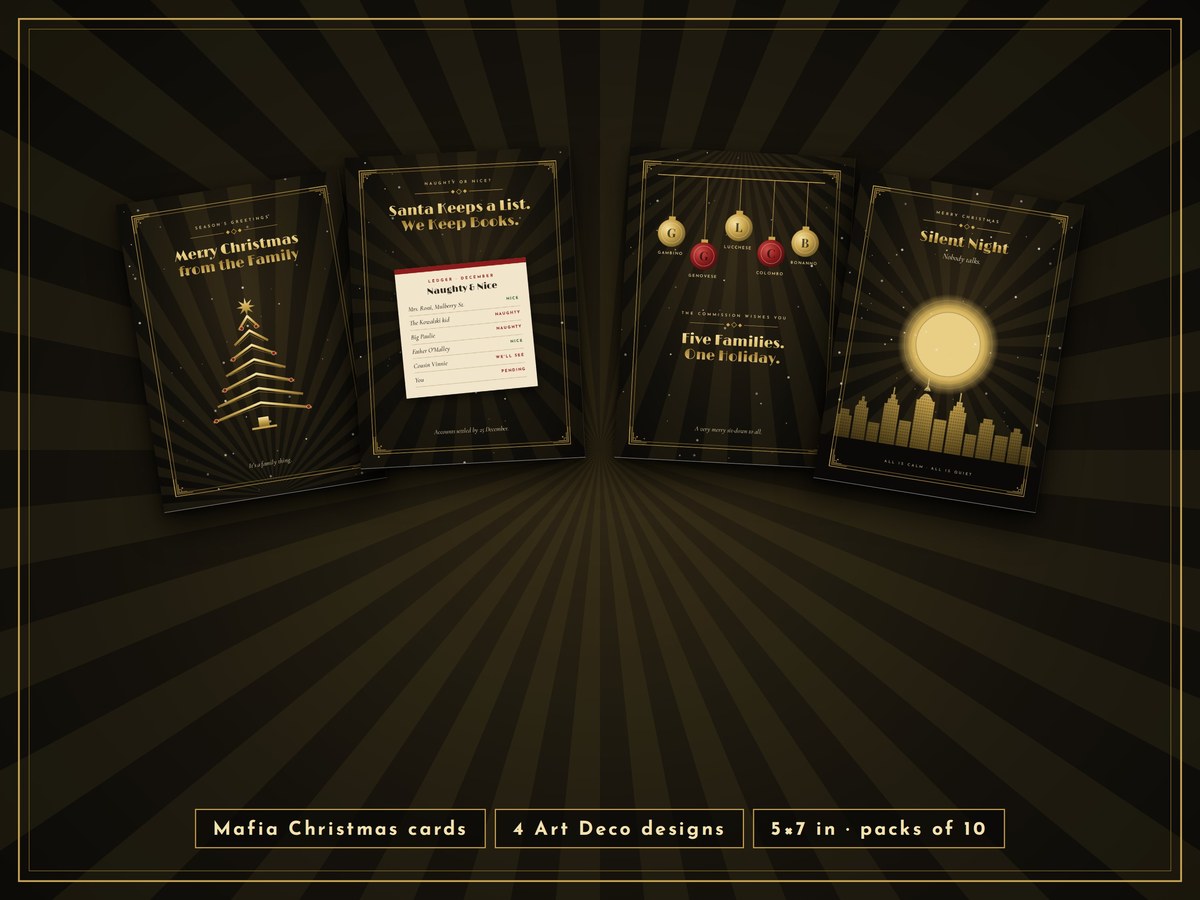
Order printed gifts by 10 December for Christmas · Ships worldwide
He was arrested in Palermo on 15 January 1993. By the end of his life he was serving 26 life sentences, and he died in custody in Parma in November 2017, the day after his 87th birthday. This is the story of how a farmer’s son from a hill town rose to become the most feared man in Sicily, and how the state finally caught up with him.

Quick facts
| Full name | Salvatore Riina, known as Totò |
| Born | 16 November 1930, Corleone, Sicily |
| Nicknames | “U Curtu” (“Shorty”), “the Beast”, the “boss of bosses” |
| Organisation | Cosa Nostra (the Sicilian Mafia); leader of the Corleonesi faction |
| On the run | From 1969 to 1993 |
| Arrested | 15 January 1993, Palermo, by the Carabinieri |
| Sentences | 26 life sentences |
| Prison regime | Article 41-bis (Italy’s strictest regime for Mafia bosses) from 1993 |
| Died | 17 November 2017, Parma, aged 87 |
| Wife | Antonietta “Ninetta” Bagarella; four children |
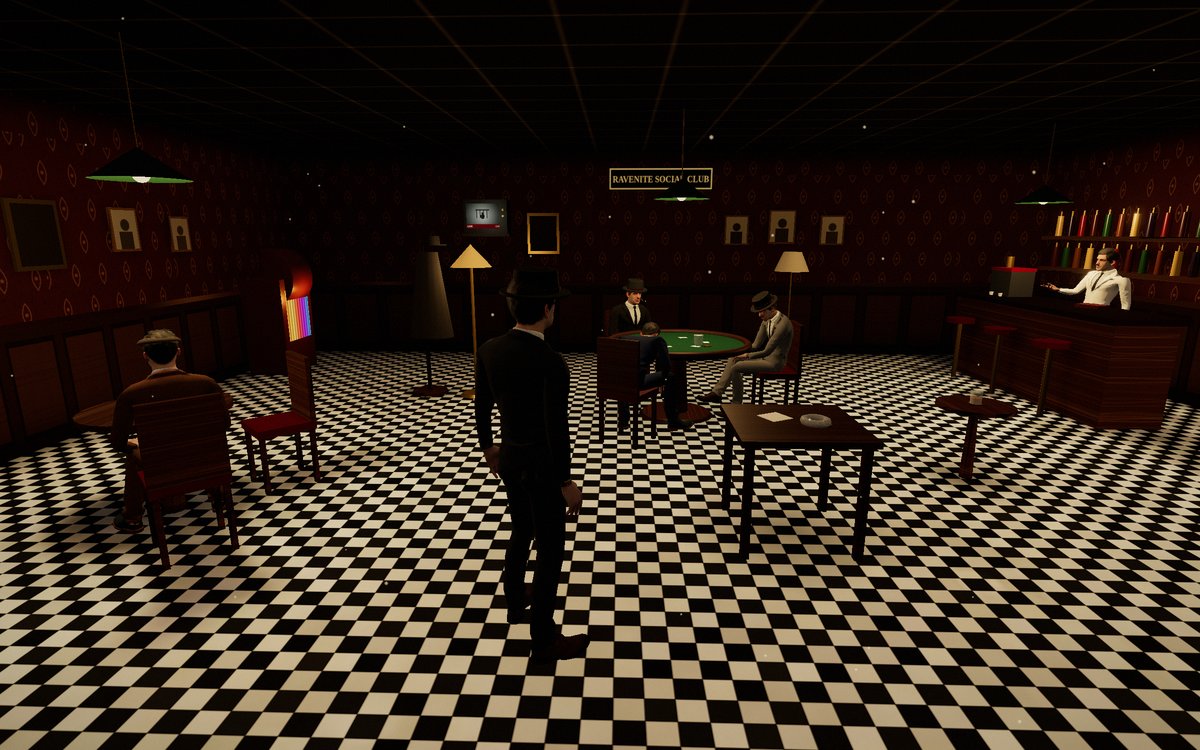
The Ravenite escape room
247 Mulberry Street, December 1989. The FBI hit the building next. Walk the scene in 3D, read the real evidence and crack the padlock before the clock runs out.
Play free in your browser →No download. Works on phone and desktop.or get the app: App Store · Google PlayEarly life in Corleone
Riina was born on 16 November 1930 in Corleone, a farming town in the hills inland from Palermo. His family were poor peasants, and he grew up in the hard years of the Second World War and its aftermath, when the Mafia was re-establishing its grip on rural western Sicily.
At around 19 he killed a young man of his own age during a brawl. He was sent to the Ucciardone prison in Palermo; accounts of the sentence differ, but he was out by 1956, having served only part of it. On his release he joined the armed crew of Luciano Leggio, the up-and-coming Corleone boss, and became one of his closest lieutenants.
Going underground
In 1969, after being acquitted for lack of evidence, Riina was ordered to live away from Sicily under police supervision. He never left the island. Instead he disappeared, and for the next 23 years he lived as a fugitive.
He did not leave Sicily. For most of those years he lived in and around Palermo, ran the Corleonesi from hiding, and married Antonietta “Ninetta” Bagarella, the sister of Corleone Mafia men; the couple had four children. The authorities, meanwhile, had only a decades-old photograph of him.
The Corleonesi take over
Leggio was caught and jailed in the 1970s, and Riina became the effective head of the Corleonesi, alongside Bernardo Provenzano, another Corleone man.

In the early 1980s the Corleonesi struck. In what became known as the Second Mafia War, Riina’s faction murdered rival Palermo bosses and hundreds of their allies, relatives and associates. By the end of it the Corleonesi controlled the Commission, the body that was supposed to settle disputes between the Mafia families, and Riina was the dominant figure in Cosa Nostra. For how the families and the Commission are meant to fit together, see our guide to how a Mafia family is structured.
The war had a cost Riina did not foresee. Men from the losing side, who had lost brothers and sons, began to talk to the state.
The Maxi Trial
The most important of those witnesses was Tommaso Buscetta, a Palermo man of honour whose family had been hit hard by the Corleonesi. After his extradition from Brazil in 1984 he explained the structure of Cosa Nostra to the magistrate Giovanni Falcone in detail. His evidence, and that of other pentiti (collaborators), became the basis of the Maxi Trial, which opened in a purpose-built bunker courtroom at the Ucciardone in February 1986.
Riina was tried in his absence. On 16 December 1987 the court handed down 19 life sentences, and one of them was his. It was the first life sentence of his career. Read the full story: Falcone, Borsellino and the Maxi Trial.
War on the state
Some of the Maxi Trial convictions were overturned on appeal in 1990, but on 30 January 1992 Italy’s Supreme Court of Cassation confirmed them instead. The response was a campaign of violence aimed at the state itself.
On 23 May 1992 a huge bomb planted under the A29 motorway near Capaci, outside Palermo, killed Giovanni Falcone, his wife Francesca Morvillo and three police officers of his escort. Fifty-seven days later, on 19 July 1992, a car bomb in Via D’Amelio in Palermo killed Paolo Borsellino and five police officers as he arrived to visit his mother. Prosecutors described Riina as the mastermind of both attacks, and he was later among the bosses given life sentences in the trials that followed.
The murders caused outrage across Italy and pushed the government into the toughest crackdown on the Mafia in its history.
Arrest
The end came quietly. A former Mafia associate who had been arrested in northern Italy agreed to help investigators and identified Riina. On the morning of 15 January 1993, officers of the Carabinieri followed his car out of a residential complex in Palermo and blocked it on a busy road. Riina, who had evaded capture for 23 years, was taken without a shot being fired. His driver was arrested with him.
After his arrest the bombing campaign continued. In 1993 bombs in Rome, Florence and Milan killed ten people and damaged churches and art galleries, in what investigators saw as an attempt to force the state to soften its stance.
Prison and death
Riina never cooperated with investigators. From his capture until his death he was held under Article 41-bis, the strict prison regime that limits Mafia bosses’ contact with the outside world. Trial after trial added to his sentences; by the end he was serving 26 life terms, and prosecutors attributed more than a hundred murders to him.
In 2017 he asked to be released on health grounds; the request was refused. After two operations he was placed in a medically induced coma in the prison wing of the hospital in Parma, and he died there early on 17 November 2017, the day after his 87th birthday.
Legacy
Riina’s strategy made him the most powerful Mafia boss of his generation and, in the end, did more damage to Cosa Nostra than any police operation. Killing Falcone and Borsellino turned two magistrates into national symbols and turned public opinion decisively against the Mafia. The laws, witness protection and prison regime that followed were built to stop anyone like him from rising again. If any of the terms in this story are new to you, our ultimate Mafia glossary explains them.
Related reading: Falcone, Borsellino and the Maxi Trial · How a Mafia family is structured · The ultimate Mafia glossary
Step into mob history yourself: try our real crime-scene Five Families escape rooms in your browser.
FAQs
Who was Totò Riina?
Salvatore “Totò” Riina was a Sicilian Mafia boss from Corleone who led the Corleonesi faction and dominated Cosa Nostra in the 1980s and early 1990s. He was arrested in 1993 and died in custody in 2017.
Why was Riina called the “boss of bosses”?
After the Corleonesi won the Second Mafia War in the early 1980s, Riina controlled the Mafia’s Commission and was the most powerful figure in Cosa Nostra, so the press called him the boss of bosses.
How long was Totò Riina on the run?
He went into hiding in 1969 and was not caught until 15 January 1993, a period of about 23 years. He spent most of that time in and around Palermo.
Did Riina order the murders of Falcone and Borsellino?
Prosecutors described Riina as the mastermind of the 1992 bombings that killed Giovanni Falcone and Paolo Borsellino, and he was among the bosses later given life sentences for them.
How many life sentences did Totò Riina receive?
He was serving 26 life sentences when he died. His first came in his absence at the end of the Maxi Trial in December 1987.
How did Totò Riina die?
He died on 17 November 2017 in the prison wing of the hospital in Parma, aged 87, after two operations and a period in a medically induced coma.