

Johnny Torrio
Johnny Torrio was the organiser who turned Chicago’s vice and bootlegging rackets into the business that became the Chicago Outfit, and the mentor who handed it to Al Capone. Born in southern Italy in 1882 and raised on New York’s Lower East Side, he moved to Chicago in 1909, took over after the murder of “Big Jim” Colosimo in 1920, and ran the city’s biggest liquor operation in the first years of Prohibition. After he was shot and nearly killed in January 1925, he gave it all to Capone and walked away.
🎁 The NCS Christmas Gift Guide
Gifts for the
Mob-History Fan
Real gangsters, gold Art Deco. Printed to order and shipped from a print partner near them.
Shop the gift guide →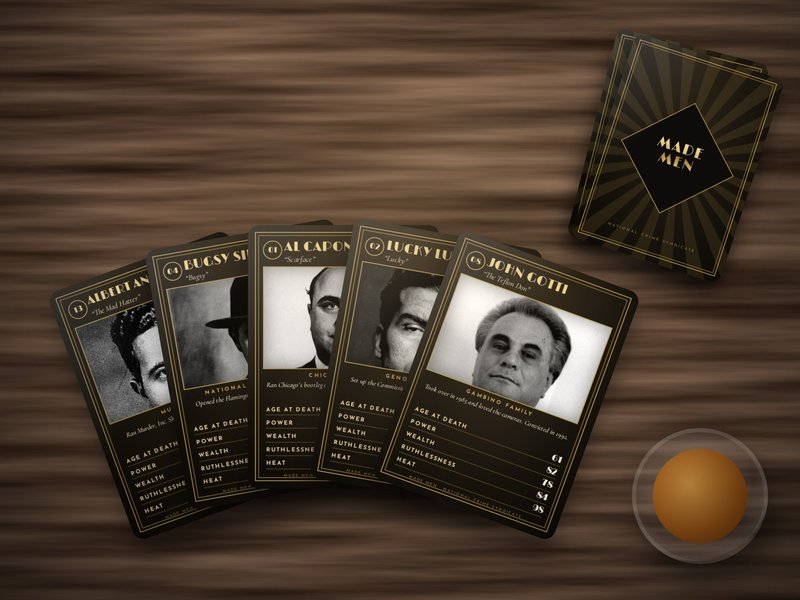
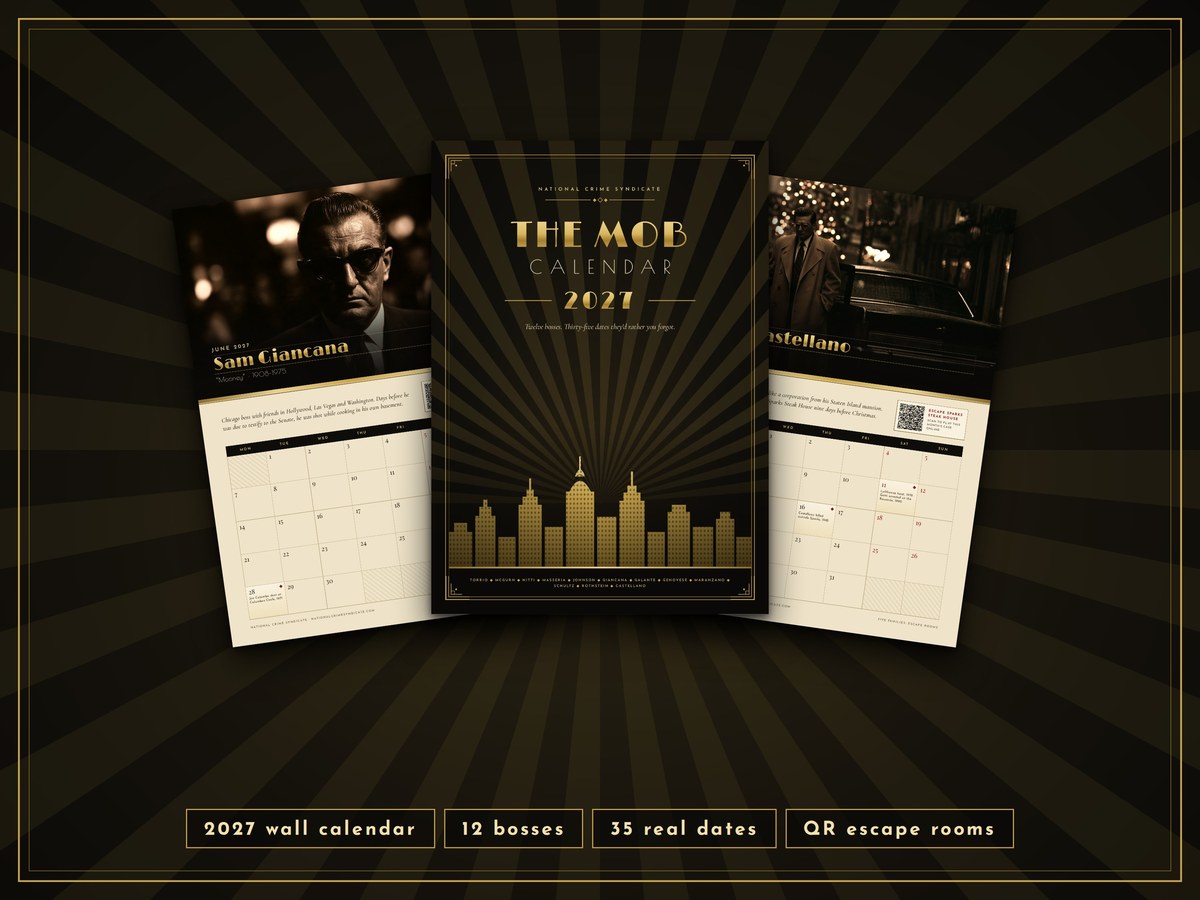
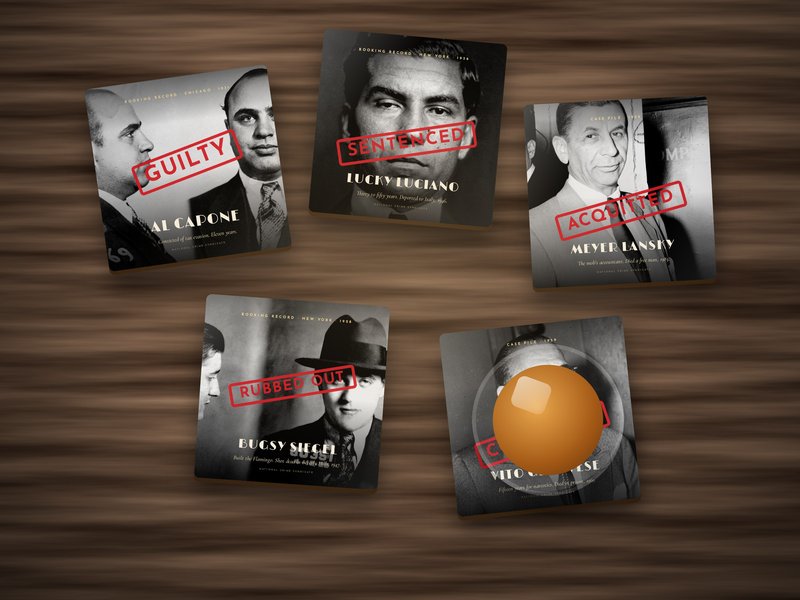
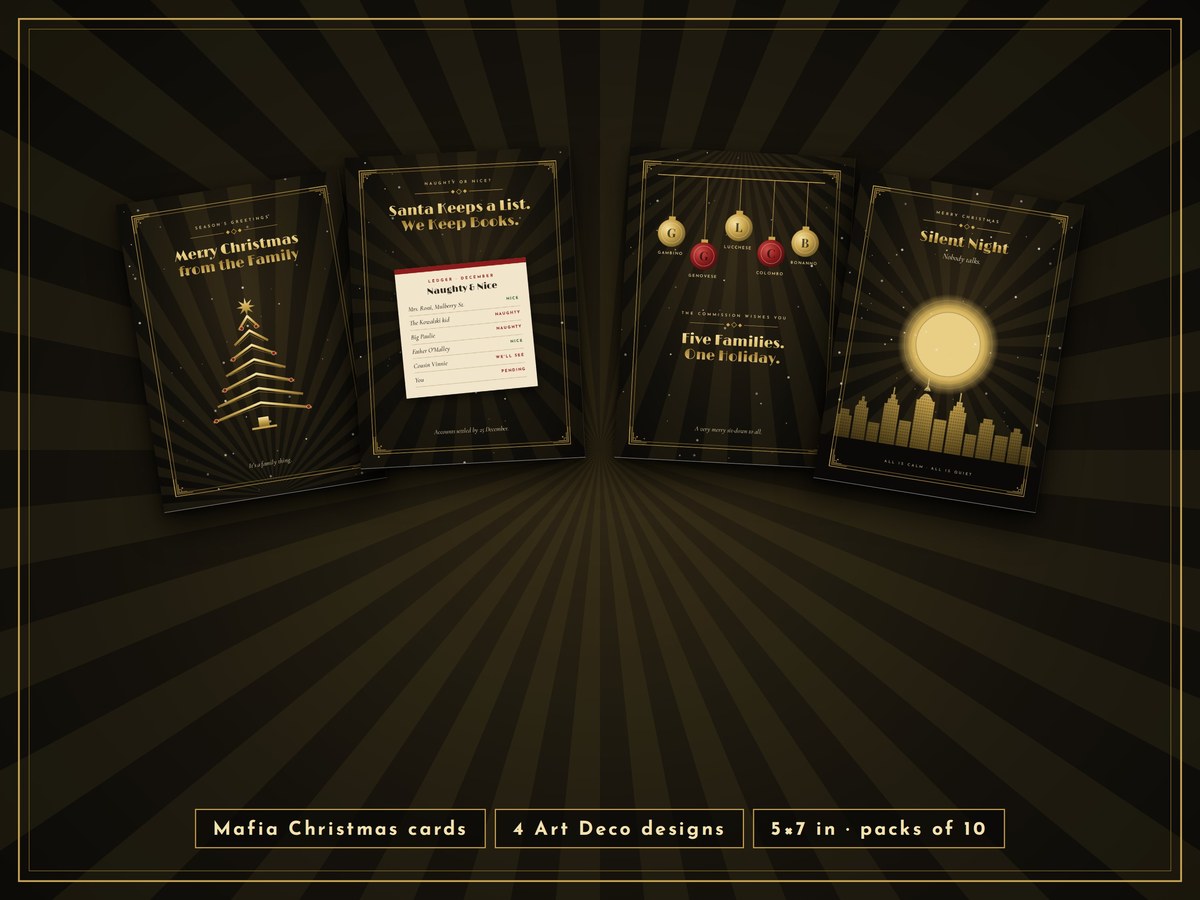
Order printed gifts by 10 December for Christmas · Ships worldwide
Unlike most of the men around him, Torrio lived to old age. He died after a heart attack in a Brooklyn barber’s chair on 16 April 1957, aged 75. He was often called “the Fox”, and the name suited a man who preferred deals to gunfights.

Quick facts
| Born | Early 1882, southern Italy (most accounts give Montepeloso, now Irsina, in Basilicata) |
| Raised | James Street, Lower East Side, New York |
| Nickname | “The Fox” |
| Organisations | James Street gang; Five Points Gang; the Chicago Outfit |
| Ran Chicago | 1920–1925 |
| Protégé | Al Capone |
| Convictions | Bootlegging (1924 Sieben Brewery case, nine months in Lake County jail); federal income tax evasion (1939) |
| Died | 16 April 1957, Brooklyn, aged 75 |
| Buried | Green-Wood Cemetery, Brooklyn |
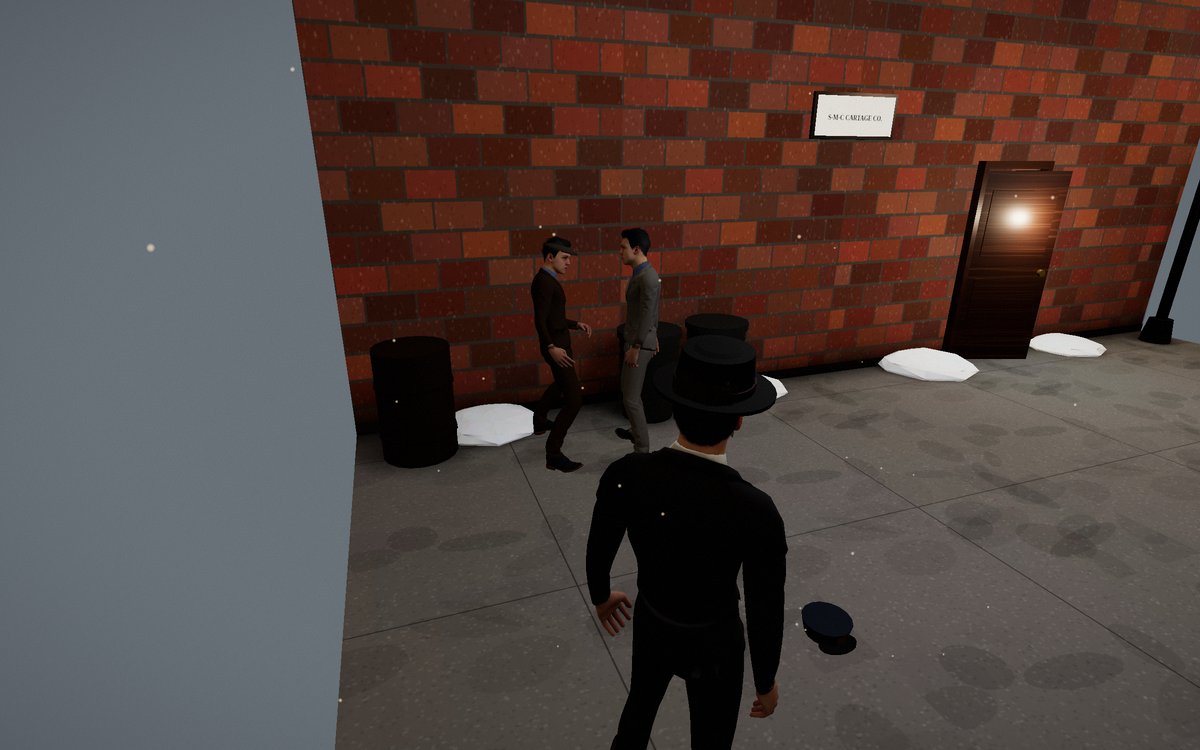
2122 North Clark escape room
Chicago, 14 February 1929. A garage on Clark Street. Walk the scene in 3D, read the real evidence and crack the padlock before the clock runs out.
Play in your browser →No download. Works on phone and desktop. Or start free at the Ravenite.or get the app: App Store · Google PlayEarly life on the Lower East Side
Torrio was born in early 1882 in southern Italy. Accounts differ on the village: most give Montepeloso, now called Irsina, in Basilicata, while Britannica names a different town and at least one historian says the birthplace is unknown. His father died when he was a baby, and when he was about two his widowed mother took him to New York, where they settled on James Street on the Lower East Side.
As a teenager he ran a small street gang, and he caught the eye of Paul Kelly, the leader of the Five Points Gang. Kelly’s outfit was the training ground for a whole generation of New York gangsters, and Torrio brought his own crew, the James Street Boys, into an alliance with it in the early 1900s. One of the young men he took under his wing was a Calabrian teenager from Brooklyn, Francesco Ioele, later known as Frankie Yale.
From the start Torrio stood out for his head for business rather than his fists.
Chicago and Big Jim Colosimo
In 1909 Torrio was invited to Chicago by “Big Jim” Colosimo, who ran brothels and restaurants on the city’s South Side and is reported to have been related to Torrio by marriage. Colosimo was being squeezed by Black Hand extortionists, and he wanted someone who could deal with them. Torrio did, and stayed.
Over the next decade he became Colosimo’s second in command, managing and expanding the brothels and gambling dens. Around 1919 he brought in a young man who had worked for Frankie Yale at the Harvard Inn in Coney Island: Al Capone. Accounts differ on the exact year and on whether Torrio sent for him or Yale sent him west, but Capone arrived at the end of the 1910s and was soon Torrio’s right-hand man. Read his story in our Al Capone biography.
Prohibition and the murder of Colosimo
Prohibition began in January 1920, and Torrio saw at once what it meant: whoever controlled the beer and liquor in Chicago would make a fortune. Colosimo, by most accounts, was not interested.
In May 1920 Colosimo was shot dead in his own café. Frankie Yale was suspected of the shooting and Torrio of arranging it, but nobody was ever charged. Read the full story: the death of Jim Colosimo.
With Colosimo gone, Torrio took over his empire and built it into a bootlegging operation. He bought breweries, paid off police and politicians, and tried to persuade the city’s other gangs to divide up territory rather than fight over it. For a few years the arrangement more or less held. We tell the full story of this period in the Chicago Outfit during Prohibition.
O’Banion and the Sieben Brewery
The arrangement broke down over the North Side gang and its leader, Dean O’Banion. In May 1924 O’Banion sold Torrio his share of the Sieben Brewery, knowing that police were about to raid it. They did, and Torrio was arrested in the raid. He was later convicted of bootlegging and sentenced to nine months in the Lake County jail at Waukegan.
On 10 November 1924, O’Banion was shot dead in his flower shop. The killers were reputed to be Frankie Yale and the Outfit gunmen John Scalise and Albert Anselmi, acting for Torrio and Capone. See who was Dean O’Banion and how did he get killed?
The 1925 shooting
The North Siders wanted revenge. On 24 January 1925, as Torrio and his wife Anna returned home, gunmen from O’Banion’s gang, led by Hymie Weiss and George “Bugs” Moran, opened fire. Torrio was shot several times and was close to death, but he survived. Read more about the men who came for him: Bugs Moran and Hymie Weiss.
Handing Chicago to Capone
After he recovered, Torrio served his sentence in the Waukegan jail. He had had enough. In 1925 he handed control of the organisation to Capone, then 26, and left Chicago for good. Late that year he went to Italy with his wife and mother.

Capone kept the business and the war that came with it. For how the leadership passed on after him, see our Chicago Outfit leadership timeline and the Chicago Outfit hub.
Back in New York
Torrio returned to the United States in the late 1920s and settled in New York, where he worked quietly behind the scenes. His years in Chicago had made him one of the most respected organisers in the American underworld, and younger men listened to him.
In May 1929 he was one of the hosts of the Atlantic City conference, a meeting of bootleggers and gang leaders from across the country that is often seen as an early step towards a national crime organisation. Accounts usually name his fellow organisers as Meyer Lansky, Lucky Luciano and Frank Costello. Read more in our history of the National Crime Syndicate.
Tax evasion and prison
Like Capone, Torrio was eventually brought down by the taxman. He was charged with income tax evasion in 1936. His trial began in 1939, and part-way through it he pleaded guilty. Sources differ on the sentence (two years or two and a half), but he served his time in federal prison and was paroled in April 1941.
Death in a Brooklyn barber’s chair
After prison Torrio lived quietly in Brooklyn and stayed out of the news. On 16 April 1957, at the age of 75, he had a heart attack while sitting in a barber’s chair. He was taken to hospital and died a few hours later. He was buried at Green-Wood Cemetery in Brooklyn.
Legacy
Torrio is the man behind the Chicago Outfit. Capone became the famous name, but the model he inherited, with its payroll of police and politicians, its brewery network and its idea that gangs should share territory rather than fight over it, was Torrio’s. He also showed a generation of New York gangsters that organisation and restraint paid better than violence. Capone himself is said to have looked on him as a father figure. For how his protégé’s story ended, read how did Al Capone die?
More on Torrio’s world
Read about Frankie Yale, the Brooklyn boss he brought up in the Five Points; Al Capone, the man he chose to succeed him; and our hub on the Chicago Outfit.
Want to step inside the story? Try our real crime-scene escape rooms in your browser: Five Families escape rooms.
FAQs
Who was Johnny Torrio?
Johnny Torrio was an Italian-born gangster who ran Chicago’s biggest bootlegging operation from 1920 to 1925 and built the organisation that became the Chicago Outfit. He was Al Capone’s mentor and handed control to him in 1925.
How was Johnny Torrio related to Al Capone?
They were not related. Torrio was Capone’s mentor and boss. Capone first worked for Torrio’s associate Frankie Yale in Brooklyn, then joined Torrio in Chicago at the end of the 1910s.
Why did Johnny Torrio leave Chicago?
He was shot several times by North Side gang members on 24 January 1925 and nearly died. After recovering and serving a short jail sentence for bootlegging, he handed his organisation to Capone and left Chicago.
What happened to the Sieben Brewery?
In May 1924 police raided the Sieben Brewery, which Torrio had just bought a share of from Dean O’Banion. Torrio was arrested and later sentenced to nine months in jail. He believed O’Banion had set him up.
How did Johnny Torrio die?
He had a heart attack in a barber’s chair in Brooklyn on 16 April 1957 and died a few hours later in hospital. He was 75.
Where is Johnny Torrio buried?
He is buried at Green-Wood Cemetery in Brooklyn, New York.
Why was Johnny Torrio called “the Fox”?
The nickname reflected his reputation for cunning and careful planning. He preferred making deals between gangs to open warfare.