

The Chicago Outfit

The Chicago Outfit is the Mafia organisation that has controlled organised crime in Chicago for more than a century. It grew out of Big Jim Colosimo’s South Side vice empire, became a national power under Johnny Torrio and Al Capone during Prohibition, and later reached into Hollywood, Las Vegas casinos and the Teamsters union’s pension funds. Unlike New York, Chicago never had rival Mafia families: the Outfit ran the city alone.
🎁 The NCS Christmas Gift Guide
Gifts for the
Mob-History Fan
Real gangsters, gold Art Deco. Printed to order and shipped from a print partner near them.
Shop the gift guide →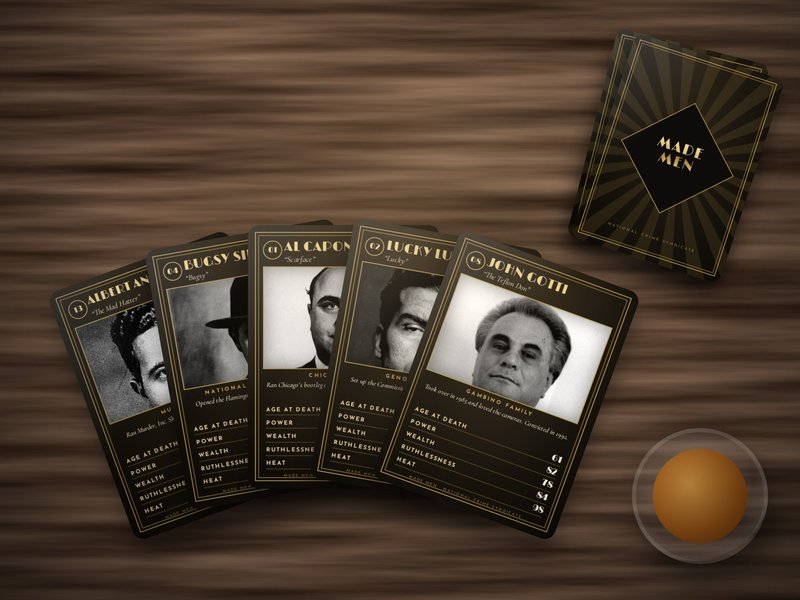
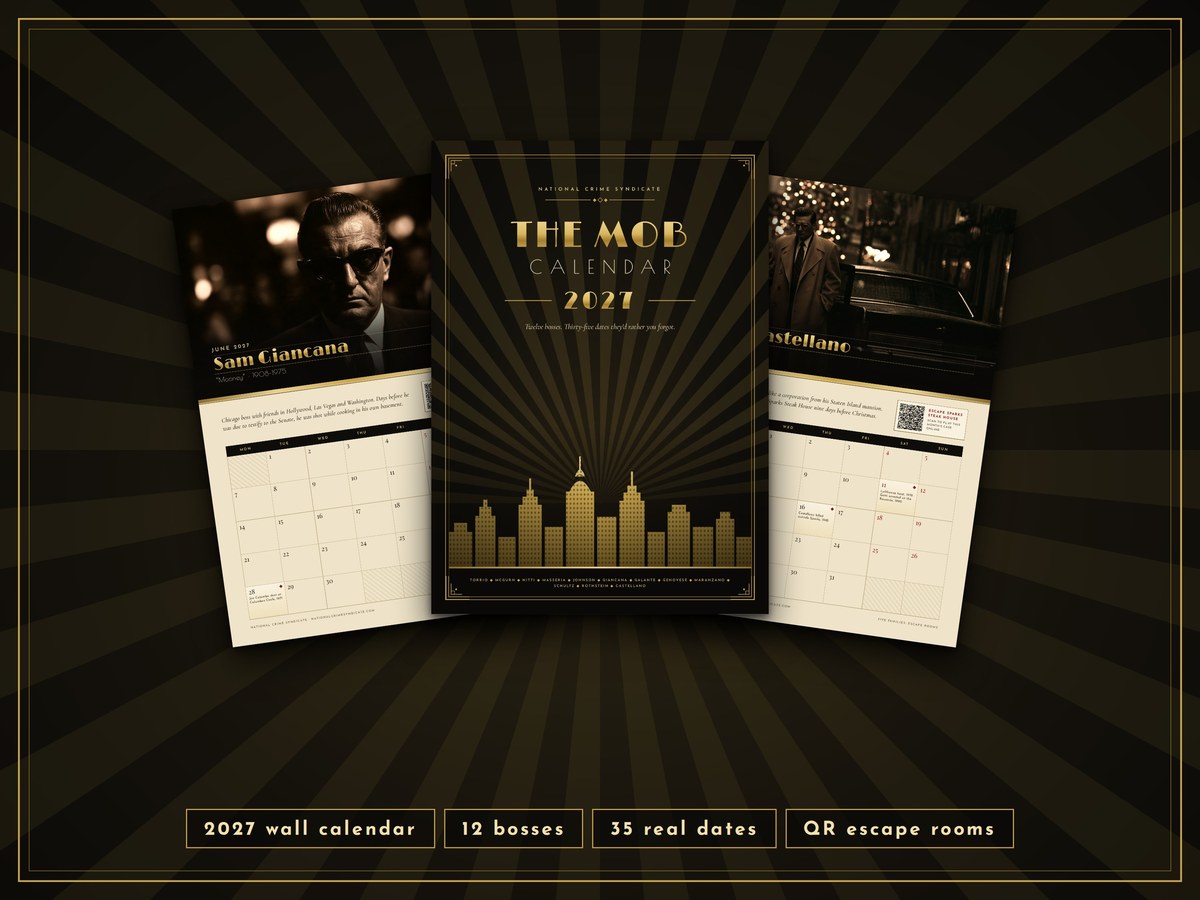
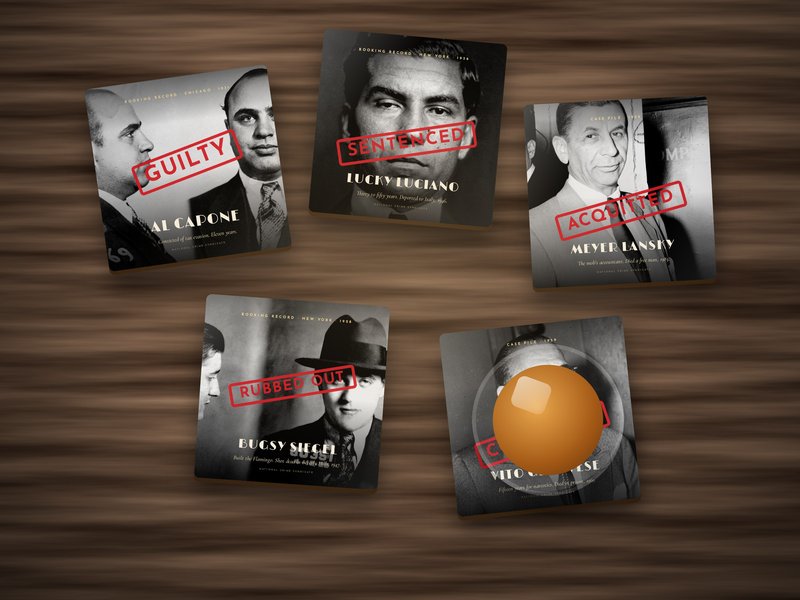
Order printed gifts by 10 December for Christmas · Ships worldwide
This hub follows the Outfit from Colosimo’s brothels to the 2007 Family Secrets trial, which finally solved eighteen gangland murders. It links to every NCS biography of the men who ran it.

Quick facts
| Origins | Big Jim Colosimo’s South Side organisation, 1910s |
| Also known as | The Outfit, the Chicago Mafia, the South Side Gang |
| Seat on the Commission | From 1931, alongside the New York families |
| Famous bosses | Johnny Torrio, Al Capone, Frank Nitti, Paul Ricca, Tony Accardo, Sam Giancana |
| Key events | St Valentine’s Day Massacre (1929), Capone’s tax conviction (1931), Hollywood extortion case (1943), Las Vegas skimming case (1986), Family Secrets trial (2007) |
| Status | Still active, according to the FBI, but far smaller |
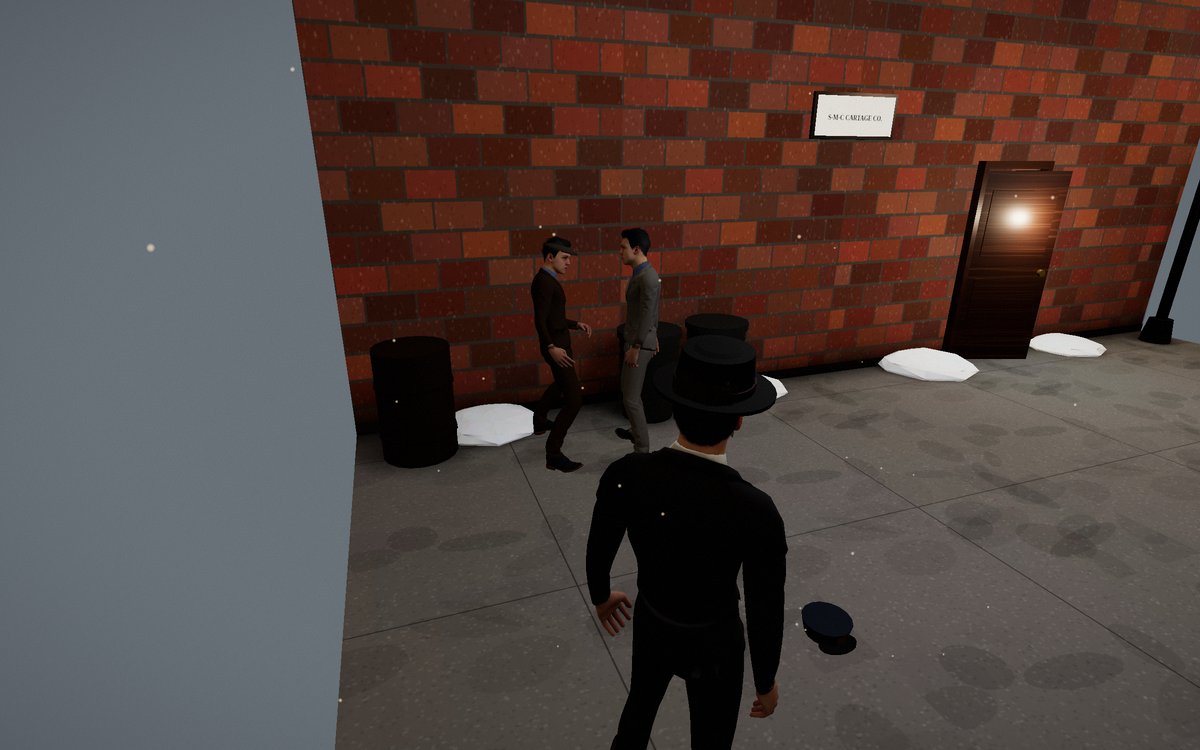
2122 North Clark escape room
Chicago, 14 February 1929. A garage on Clark Street. Walk the scene in 3D, read the real evidence and crack the padlock before the clock runs out.
Play in your browser →No download. Works on phone and desktop. Or start free at the Ravenite.or get the app: App Store · Google PlayOrigins: Colosimo and Torrio (1910–1925)
Vincenzo “Big Jim” Colosimo built a fortune from brothels, gambling and political connections in Chicago’s Levee district in the 1900s and 1910s. To protect his business from Black Hand extortionists, he brought in Johnny Torrio, a relative of his wife, from Brooklyn around 1909. Torrio was a careful organiser and saw before Colosimo did that Prohibition, which began in January 1920, would make bootlegging the biggest business in the city.

On 11 May 1920 Colosimo was shot dead in the lobby of his own restaurant on South Wabash Avenue. Nobody was ever convicted. Suspicion fell on Brooklyn gangster Frankie Yale, said to have been brought in by Torrio. Read more: the death of Big Jim Colosimo, Johnny Torrio and Frankie Yale.
Torrio divided Chicago into territories among the bootlegging gangs. The arrangement broke down when the North Side Gang’s leader, Dean O’Banion, was murdered in his flower shop on 10 November 1924; see Dean O’Banion. On 24 January 1925 North Side gunmen shot and badly wounded Torrio outside his home. He recovered, handed control to his protégé Al Capone and retired to New York.
Al Capone and the beer wars (1925–1931)
Al Capone ran the organisation from Cicero and later the Lexington Hotel, controlling breweries, speakeasies, gambling dens and brothels, and paying off police and politicians. His war with the North Side Gang was the bloodiest of the Prohibition years. Hymie Weiss, O’Banion’s successor, was shot dead in October 1926 (Hymie Weiss), and George “Bugs” Moran took over (Bugs Moran).

On 14 February 1929 seven men linked to Moran’s gang were shot dead in a garage at 2122 North Clark Street. Nobody was ever convicted of the St Valentine’s Day Massacre, but it was widely blamed on Capone’s men, among them Jack McGurn. Read: the St Valentine’s Day Massacre and Jack “Machine Gun” McGurn. In May 1929 John Scalise, Albert Anselmi and Joseph Giunta were found dead outside the city: the killings of Anselmi, Scalise and Giunta.
The massacre turned public opinion and Washington against Capone. While Eliot Ness’s Prohibition Bureau squad raided his breweries (Eliot Ness), Treasury investigators built a tax case. On 17 October 1931 Capone was convicted of income tax evasion and sentenced to eleven years. He was released in 1939, too ill to return, and died in Florida on 25 January 1947. Read: Al Capone, the Outfit during Prohibition and Al Capone’s net worth.
Frank Nitti and the Hollywood case (1931–1943)
With Capone in prison, Frank Nitti became the Outfit’s public face, though historians debate how much real power he held compared with Paul Ricca. When Prohibition ended in 1933, the Outfit moved into gambling, labour unions and businesses. Its boldest scheme was extorting money from Hollywood film studios through the stagehands’ union.
When the scheme collapsed in 1943, the Outfit’s leaders were indicted. Nitti died by suicide on 19 March 1943, reportedly unwilling to face prison again. Read: Frank Nitti, the Outfit’s enforcer and Frank Nitti’s death.
Paul Ricca and Tony Accardo (1943–1957)
Paul “the Waiter” Ricca took over, but at the end of 1943 he and other senior members were convicted in the Hollywood case and sentenced to ten years. Tony Accardo ran the Outfit while Ricca was in prison. In 1947, after just over three years, Ricca and his co-defendants were paroled, a decision that caused a congressional inquiry. Barred from mob activity by his parole terms, Ricca stayed in the background while Accardo ran the organisation.

For the next quarter of a century the two shared power, with Ricca as senior adviser until his death in 1972. Under Accardo the Outfit spread into Las Vegas, where it gained hidden interests in casinos funded partly by Teamsters pension fund loans. Read: Paul Ricca, Tony Accardo, the patient godfather and from the mob to regulation: casino gambling.
Sam Giancana (1957–1966)
In 1957, under pressure from tax investigators, Accardo stepped back and Sam Giancana became boss, though he still needed the approval of Accardo and Ricca for big decisions. Giancana was flashier than his predecessors. Investigations by the US Senate’s Church Committee later found that he was among the mobsters recruited by the CIA in the early 1960s for a plot to kill Fidel Castro, along with Johnny Roselli and Tampa boss Santo Trafficante.
Constant FBI surveillance made Giancana a liability. In 1965 he was jailed for about a year for refusing to testify before a grand jury, and after his release in 1966 he left for Mexico. Accardo and Ricca replaced him. Giancana returned to the US in 1974 and was shot dead in the basement of his home in Oak Park, Illinois, on 19 June 1975, shortly before he was due to appear before the Senate committee. Read: Sam Giancana and Sam Giancana’s death.
Aiuppa, Las Vegas and the skimming cases (1966–1986)
After a short period under others, Joey Aiuppa ran the Outfit from about 1971, with Accardo still in the background. The Outfit’s man in Las Vegas was Tony Spilotro, who oversaw the skimming of cash from casinos. Federal investigators eventually caught up with the scheme. In January 1986 a federal jury in Kansas City convicted Aiuppa, underboss Jackie Cerone and others of skimming profits from Las Vegas casinos.
That June, Tony Spilotro and his brother Michael were murdered and buried in an Indiana cornfield. For twenty years nobody was charged.
Family Secrets: the trial of 2007
From the late 1990s Frank Calabrese Jr. helped the FBI and secretly recorded his own father, Outfit loan shark Frank Calabrese Sr., in prison. His uncle, Outfit member Nicholas Calabrese, later agreed to cooperate too. Their evidence became Operation Family Secrets. In April 2005 federal prosecutors in Chicago indicted fourteen defendants and named the Outfit itself as a criminal enterprise, charging it with eighteen murders and one attempted murder committed between 1970 and 1986, including the Spilotro killings.
The trial opened in June 2007 before Judge James Zagel. On 10 September 2007 the jury convicted Frank Calabrese Sr., Joseph “Joey the Clown” Lombardo, James Marcello, Paul Schiro and former police officer Anthony Doyle of racketeering conspiracy. It then held Calabrese, Lombardo and Marcello responsible for ten of the eighteen murders, with Marcello tied to the Spilotro killings. In early 2009 Calabrese, Lombardo and Marcello were sentenced to life.
Decline and the Outfit today
Tony Accardo, the last link to the Capone era, died in May 1992. Leadership after the 1980s passed through Joseph Ferriola, Sam Carlisi and John DiFronzo, and became harder to see from outside. Today the FBI still describes the Outfit as active, mainly in illegal gambling, loan-sharking and extortion, but it is far smaller than in Accardo’s day and no longer carries out the killings that once marked Chicago. For the bigger picture, see the Commission and the richest mob bosses.
Bosses at a glance
| Years | Boss | Notes |
|---|---|---|
| c.1910–1920 | Big Jim Colosimo | Shot 11 May 1920 |
| 1920–1925 | Johnny Torrio | Wounded January 1925, retired |
| 1925–1931 | Al Capone | Convicted of tax evasion October 1931 |
| 1931–1943 | Frank Nitti | Public face; real power debated |
| 1943–1972 | Paul Ricca | Jailed 1943–47; senior adviser until death |
| 1947–1957 | Tony Accardo | Boss, then senior adviser until 1992 |
| 1957–1966 | Sam Giancana | Killed June 1975 |
| 1966–1971 | Accounts differ | Short-lived bosses under Accardo and Ricca |
| c.1971–1986 | Joey Aiuppa | Convicted in the Las Vegas skimming case |
| 1986–1989 | Joseph Ferriola | Died March 1989 |
| 1989–1993 | Sam Carlisi | Later jailed |
| 1990s–2018 | John DiFronzo | Start date: accounts differ |
For the full year-by-year list, see the Chicago Outfit leadership timeline.
Related on NCS: Al Capone · Johnny Torrio · Tony Accardo · Top 10 mobsters of all time
The other families: The Gambino crime family · The Genovese crime family · The Lucchese crime family · The Colombo crime family · The Bonanno crime family
FAQs
What is the Chicago Outfit?
The Chicago Outfit is the Mafia organisation that has controlled organised crime in Chicago since the 1920s. It grew from Big Jim Colosimo’s gang and became famous under Al Capone.
Who founded the Chicago Outfit?
Its roots lie with Big Jim Colosimo, but Johnny Torrio turned it into a bootlegging empire after 1920, and Al Capone took over in 1925.
Is the Chicago Outfit part of the Five Families?
No. The Five Families are the New York Mafia families. The Outfit is a separate organisation, but it has had a seat on the Mafia’s Commission since 1931.
Who ran the Outfit after Al Capone?
Frank Nitti was its public face until 1943, followed by Paul Ricca and Tony Accardo, who shared power for decades. Sam Giancana was boss from 1957 to 1966.
What was the Family Secrets trial?
It was the 2007 federal trial in Chicago that tied Outfit leaders to eighteen murders from 1970 to 1986. Five men were convicted of racketeering conspiracy, and three were held responsible for ten murders and later jailed for life.
Who killed Sam Giancana?
Nobody knows for certain. Giancana was shot dead at his Oak Park home on 19 June 1975, and the killing remains unsolved.
Does the Chicago Outfit still exist?
Yes, according to the FBI, though it is much smaller and focuses mainly on gambling, loan-sharking and extortion.