
Salvatore Maranzano: The Boss of All Bosses and How He Was Killed

Salvatore Maranzano was the Sicilian mob leader who won the Castellammarese War, crowned himself “boss of all bosses” in 1931, and was murdered less than five months later. He gave the American Mafia much of its structure, including the division of New York into five families, before Lucky Luciano removed him and took that structure for himself.
🎁 The NCS Christmas Gift Guide
Gifts for the
Mob-History Fan
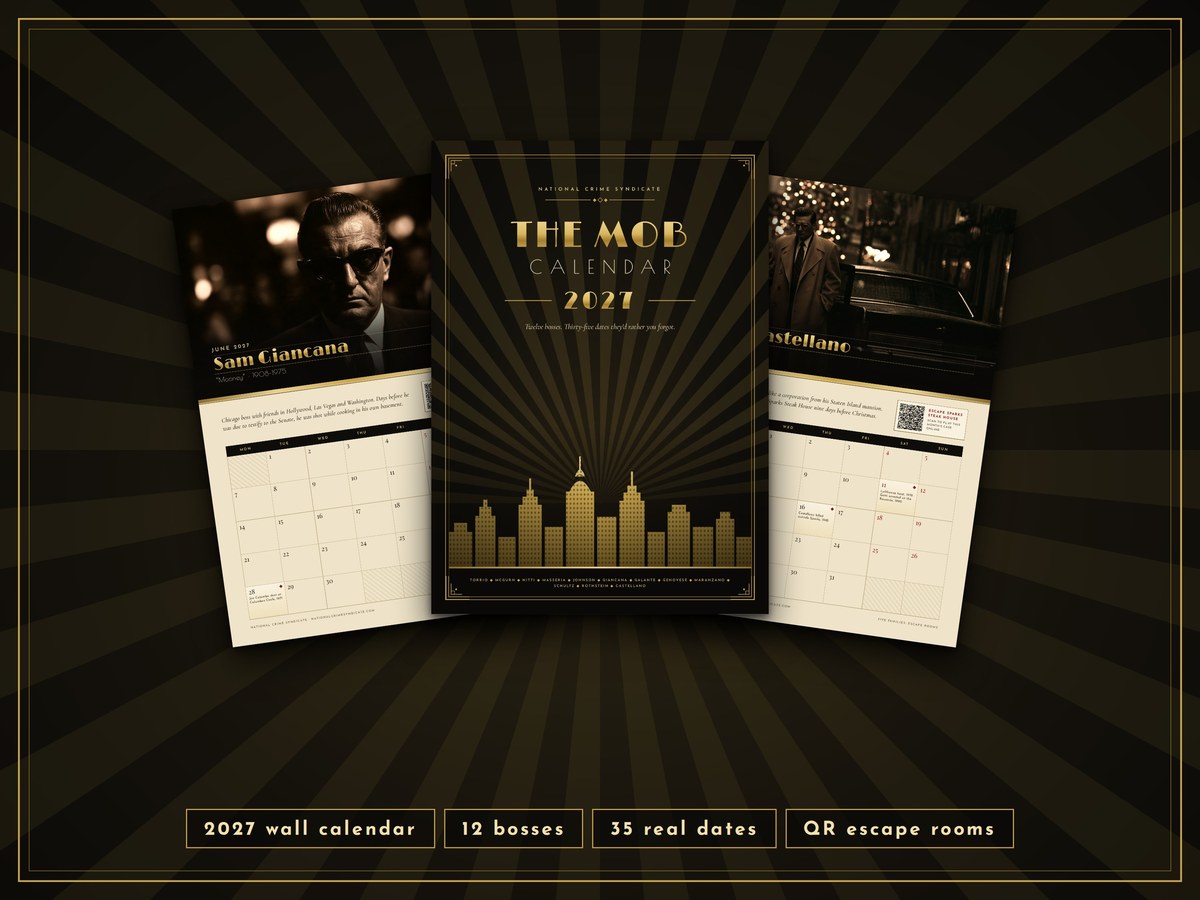
Real gangsters, gold Art Deco. Printed to order and shipped from a print partner near them.
Shop the gift guide →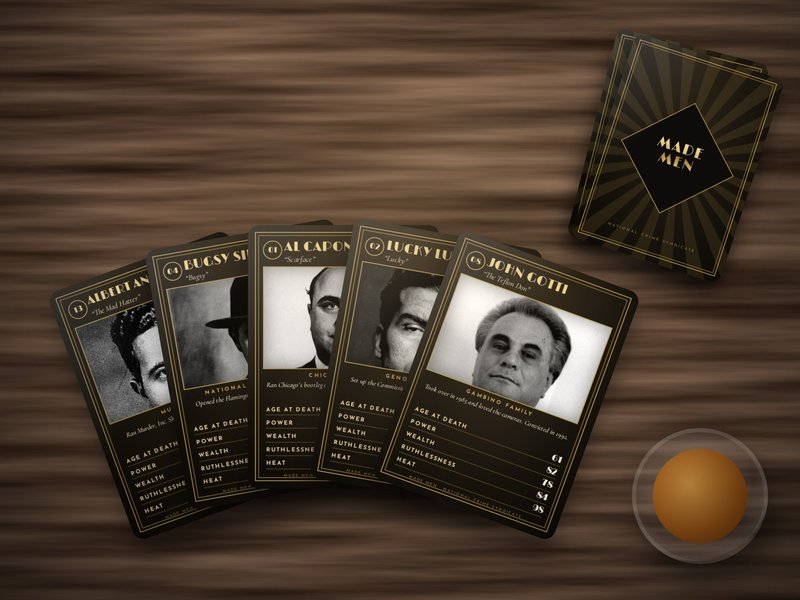
Order printed gifts by 10 December for Christmas · Ships worldwide
Salvatore Maranzano: quick facts
| Born | 31 July 1886, Castellammare del Golfo, Sicily |
|---|---|
| Died | 10 September 1931, 230 Park Avenue, Manhattan (aged 45) |
| Title | Declared himself capo di tutti capi, “boss of all bosses”, in 1931 |
| Organisation | Led the Castellammarese family that became the Bonanno crime family |
| Rival | Joe “The Boss” Masseria |
| Killed on the orders of | Charles “Lucky” Luciano |
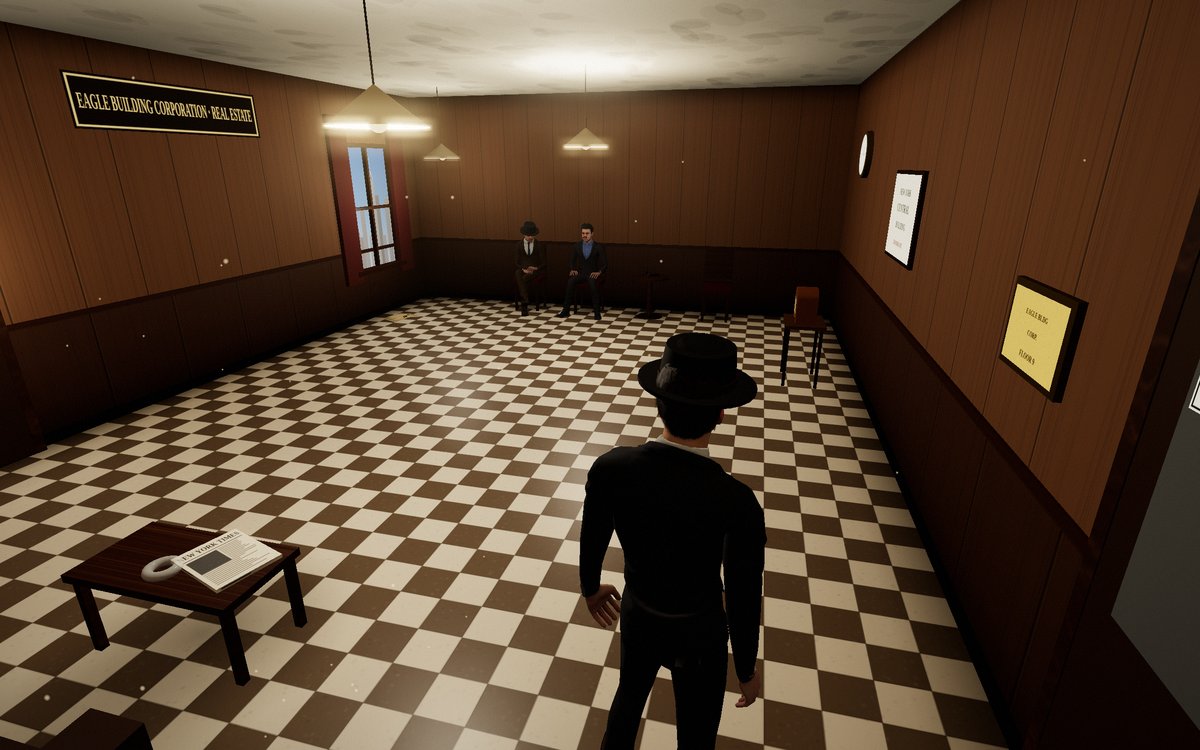
Maranzano's Office escape room
230 Park Avenue, 10 September 1931. Four tax men just walked in. Walk the scene in 3D, read the real evidence and crack the padlock before the clock runs out.
Play in your browser →No download. Works on phone and desktop. Or start free at the Ravenite.or get the app: App Store · Google PlayFrom Sicily to New York
Maranzano was already an established Mafia figure in western Sicily when he came to the United States in the mid-1920s. Educated, fond of Julius Caesar and the history of Rome, he stood apart from the street-bred gangsters of New York. He ran bootlegging and other businesses and quickly became the leading figure among the immigrants from Castellammare del Golfo in Brooklyn, a group that included a young Joe Bonanno.
The Castellammarese War
When Joe Masseria tried to bring the Castellammarese under his control, Maranzano fought back. The war that followed in 1930 and 1931 killed dozens of men on both sides. It ended only when Masseria’s own lieutenants, led by Luciano, had Masseria shot dead in a Coney Island restaurant on 15 April 1931 and made peace with Maranzano.
Boss of all bosses
At a large meeting in the Bronx that spring, Maranzano set out new rules for the organisation: a chain of command of boss, underboss, capos and soldiers, and five New York families, each with its own leader. Above them all he placed himself, as boss of all bosses. Luciano and his allies, who wanted an organisation run by agreement rather than by one man, saw the title as the same greed that had doomed Masseria.
The distrust ran both ways. Maranzano is said to have drawn up a list of men to be eliminated, including Luciano, Vito Genovese, Frank Costello and Al Capone, and to have hired the Irish gunman Vincent “Mad Dog” Coll to kill Luciano and Genovese.
Death at 230 Park Avenue
Luciano moved first. On 10 September 1931, four men posing as government tax agents walked into Maranzano’s office in the New York Central Building at 230 Park Avenue. They were Jewish gangsters supplied by Meyer Lansky, so that Maranzano’s guards would not recognise them. They disarmed the bodyguards, then stabbed and shot Maranzano to death. Coll, arriving for his appointment, reportedly passed the killers on the stairs and was warned to leave.
Luciano abolished the title of boss of all bosses and set up the Commission to settle disputes between the families instead. The five-family system Maranzano designed survived; his old family eventually passed to Joe Bonanno.
Read next: the Castellammarese War, the death of Joe Masseria, the Commission and the Bonanno crime family.
The full story
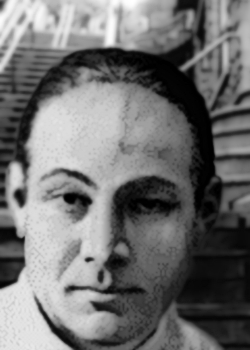 Salvatore Maranzano was born on 31 July 1886 in Castellammare del Golfo, a fishing town on the west coast of Sicily. He is said to have studied for the priesthood before choosing a very different life, and by his thirties he was a respected Mafia figure in western Sicily, linked by many accounts to the powerful boss Don Vito Cascioferro.
When he reached New York in the mid-1920s he did not look like the gangsters around him. He spoke several languages, admired Julius Caesar and liked to lecture his men on the Roman legions. Behind the learning was a ruthless operator who built a bootlegging, gambling and real estate business and became the natural leader of the Castellammarese immigrants in Brooklyn and Manhattan.

Don Vito Cascioferro, the Sicilian boss Maranzano is often linked to
Maranzano against Joe the Boss
The most powerful Mafia leader in New York at the time was Giuseppe “Joe the Boss” Masseria. Masseria demanded tribute from the other gangs and tried to bring the Castellammarese under his control. Maranzano refused, and from 1930 New York’s Italian underworld split into two armed camps in what became known as the Castellammarese War.
Maranzano courted Masseria’s discontented men with the promise of a fairer share. Among those he tried to win over was Masseria’s sharpest lieutenant, Charles “Lucky” Luciano. Luciano had plans of his own. With his friend Meyer Lansky he wanted an organisation that crossed ethnic lines and was run like a business, and he saw both old bosses as obstacles.

Giuseppe “Joe the Boss” Masseria
By early 1931 Maranzano was winning, and Luciano switched sides. On 15 April 1931 he took Masseria to lunch at the Nuova Villa Tammaro restaurant in Coney Island and excused himself during a card game. Gunmen walked in and shot Masseria dead. The killers are usually named as Albert Anastasia, Vito Genovese, Joe Adonis and Bugsy Siegel. Read more about the death of Joe Masseria.
Boss of all bosses
Weeks later Maranzano called hundreds of mobsters to a hall in the Bronx. According to Joe Valachi, who described the meeting to a Senate committee in 1963, Maranzano laid out the rules of a new organisation, which Valachi heard him call Cosa Nostra, “this thing of ours”. Each family would have a boss, an underboss, captains and soldiers. Silence was absolute. No member could touch another member’s wife or seek revenge for the war just ended. New York’s gangs became five families, the structure that survives today.
Above the five bosses Maranzano placed himself as capo di tutti capi, boss of all bosses, and demanded tribute from all of them. To Luciano and Genovese it looked as though they had removed one greedy old boss only to crown another.
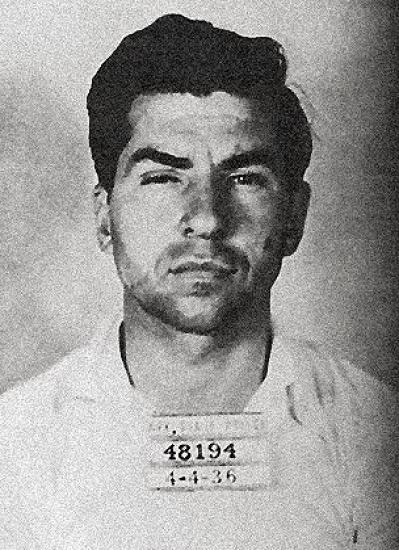
Lucky Luciano
The death list and Mad Dog Coll
Maranzano trusted Luciano no more than Luciano trusted him. He is said to have drawn up a list of men who had to die: Luciano, Vito Genovese, Frank Costello, Joe Adonis, Dutch Schultz and, in Chicago, Al Capone. To keep his own hands clean he hired an outsider, the Irish gunman Vincent “Mad Dog” Coll, reportedly paying $25,000 up front. The plan was to summon Luciano and Genovese to his office and have Coll kill them there.
Luciano heard about the plan in time.
The hit at 230 Park Avenue
On the afternoon of 10 September 1931, four men walked into the offices of the Eagle Building Corporation on the ninth floor of the New York Central Building, 230 Park Avenue, now the Helmsley Building. They said they were government agents. They were Jewish gangsters from Lansky’s circle, chosen because Maranzano’s people would not know their faces. Samuel “Red” Levine is the name most often given among them. Tommy Lucchese, who had secretly gone over to Luciano, was there to point out the boss.
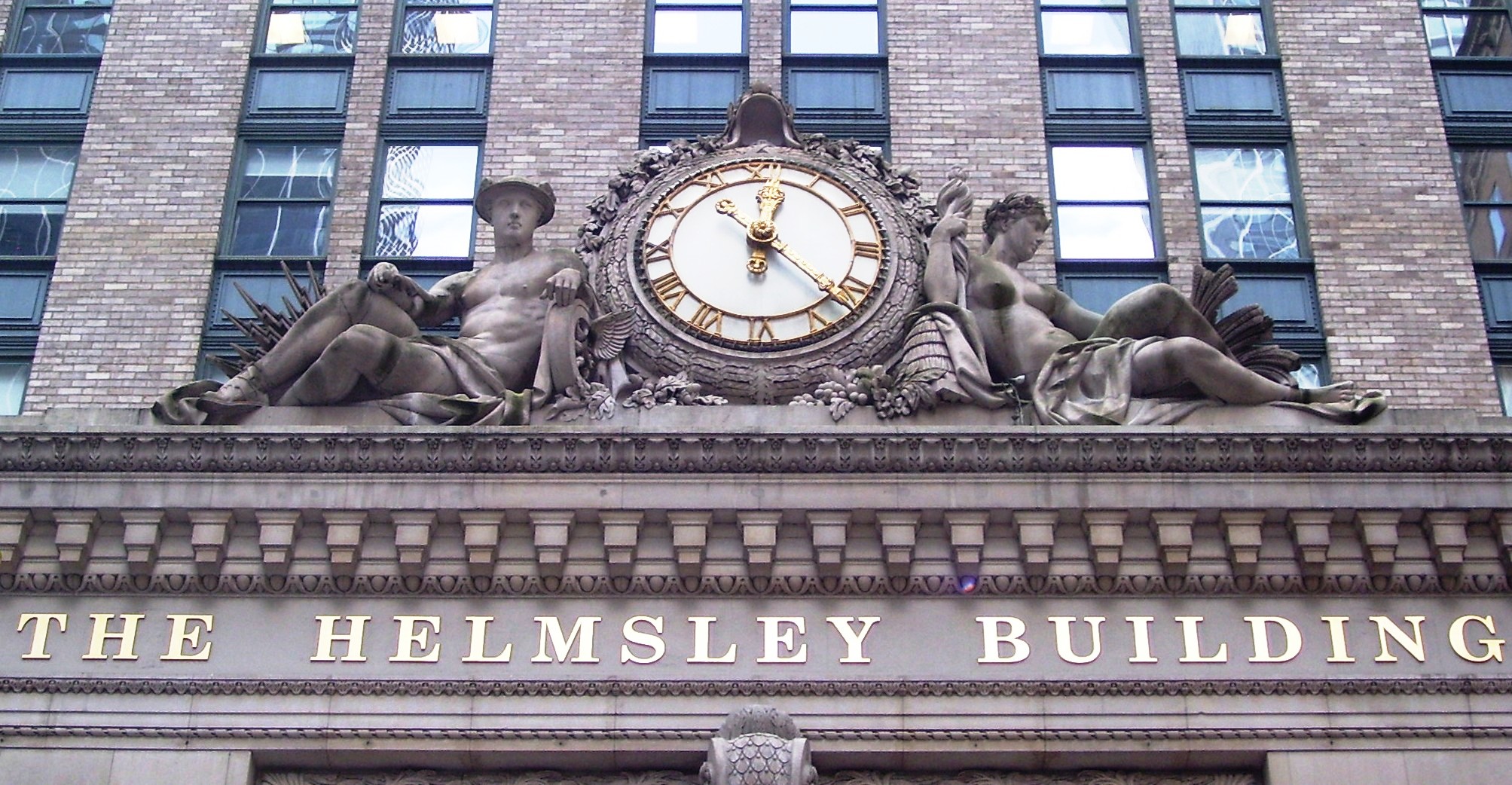
The “agents” lined the staff and bodyguards up against the wall and went into the private office. Maranzano fought back. He was stabbed several times and then shot, and died on the floor of his own office. The killers ran for the stairs. On the way down they passed Mad Dog Coll coming up for his appointment and warned him the police were on their way. Coll turned round and left, $25,000 better off.

Maranzano’s body in his office at 230 Park Avenue
Coll did not live long enough to spend it. He was gunned down in a telephone booth in a drugstore on West 23rd Street in February 1932.
The “Night of the Sicilian Vespers”
Gangland legend later claimed that dozens of Maranzano loyalists were murdered across the country within days of his death, the so-called Night of the Sicilian Vespers. Historians who have checked newspaper and police records have found evidence of only a handful of related killings. The purge was real, but much smaller than the story.
Maranzano’s legacy
Luciano kept almost everything Maranzano built except the throne. He abolished the title of boss of all bosses and created the Commission, where the family bosses settled disputes as equals. Maranzano’s own Castellammarese family became the Bonanno family. And the multi-ethnic partnership Luciano and Lansky wanted became the National Crime Syndicate.
Frequently asked questions
How did Salvatore Maranzano die?
He was stabbed and shot in his office at 230 Park Avenue, Manhattan, on 10 September 1931 by four men posing as government agents, sent by Lucky Luciano.
Why was Maranzano called the boss of all bosses?
After winning the Castellammarese War in 1931 he declared himself capo di tutti capi and set himself above the heads of New York’s five families. He held the title for less than five months.
Who killed Salvatore Maranzano?
The killers were Jewish gangsters supplied by Meyer Lansky, with Samuel “Red” Levine most often named. The hit was ordered by Lucky Luciano.
Where was Maranzano’s office?
On the ninth floor of the New York Central Building at 230 Park Avenue, which straddles Park Avenue just north of Grand Central Terminal. It is now called the Helmsley Building.
Further Reading
Want to know more about Salvatore Maranzano? Five Families is essential reading.
As an Amazon Associate, National Crime Syndicate earns from qualifying purchases.