

Pablo Escobar

Pablo Escobar was a Colombian drug trafficker who led the Medellín Cartel, the organisation that dominated the cocaine trade into the United States in the 1980s. At the height of his power he was one of the richest criminals in history, a one-time member of Colombia’s Congress, and the man behind a campaign of bombings and assassinations aimed at stopping his own extradition. He was killed by Colombian police on a Medellín rooftop on 2 December 1993, the day after his 44th birthday.
🎁 The NCS Christmas Gift Guide
Gifts for the
Mob-History Fan
Real gangsters, gold Art Deco. Printed to order and shipped from a print partner near them.
Shop the gift guide →
Order printed gifts by 10 December for Christmas · Ships worldwide
This is the story of how a small-time thief from Medellín built a cocaine empire, turned it against the Colombian state, and ended up the target of one of the biggest manhunts the country has seen.

Quick facts
| Full name | Pablo Emilio Escobar Gaviria |
| Born | 1 December 1949, Rionegro, Antioquia, Colombia |
| Raised | Medellín |
| Organisation | The Medellín Cartel (see The Medellín Cartel) |
| Politics | Elected an alternate member of Colombia’s Chamber of Representatives in 1982 |
| Surrendered | June 1991, held at La Catedral, a prison built to his own specifications |
| Escaped | 22 July 1992 |
| Died | 2 December 1993, Medellín, shot during a police operation |
| Buried | Monte Sacro Cemetery, Medellín area |
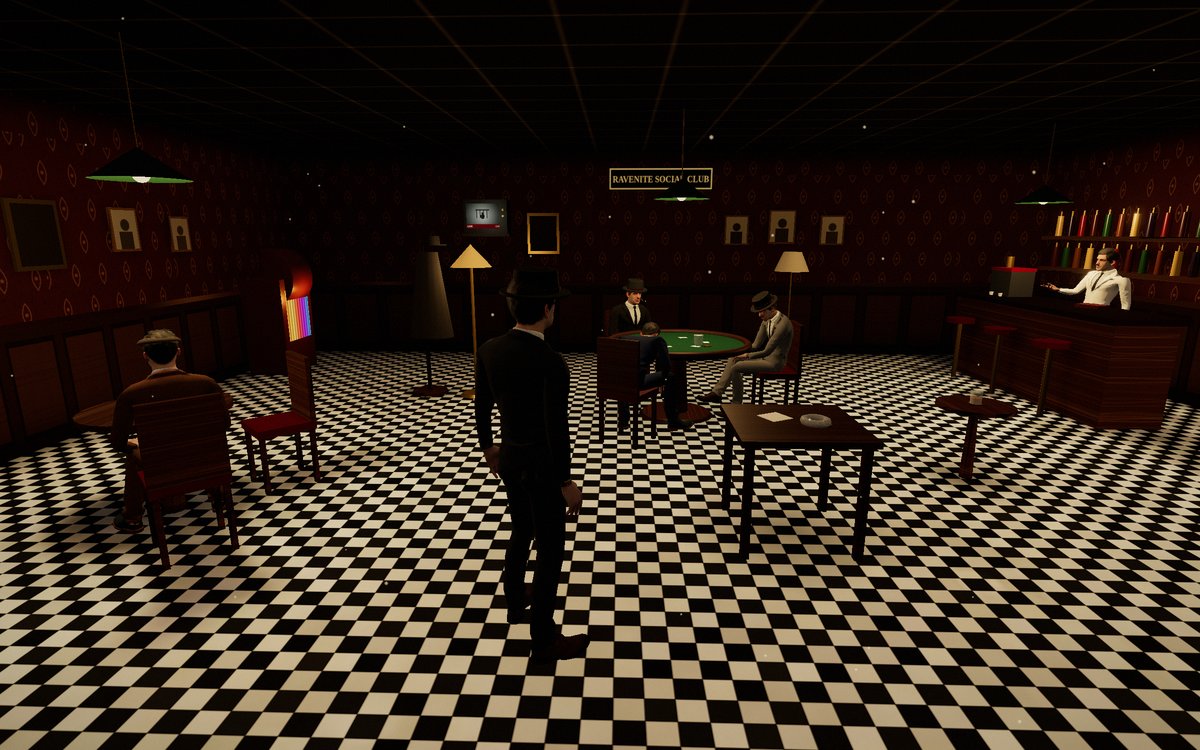
The Ravenite escape room
247 Mulberry Street, December 1989. The FBI hit the building next. Walk the scene in 3D, read the real evidence and crack the padlock before the clock runs out.
Play free in your browser →No download. Works on phone and desktop.or get the app: App Store · Google PlayEarly life in Medellín
Pablo Emilio Escobar Gaviria was born on 1 December 1949 in Rionegro, in the department of Antioquia, and grew up in Medellín. His father was a small farmer and his mother a schoolteacher. He was the third of seven children.
He left school without finishing and drifted into crime in his teens and early twenties. Accounts of these years mention stealing and reselling headstones, selling fake diplomas, car theft and smuggling, including contraband cigarettes. By the early 1970s he was also linked to kidnapping for ransom. These were the rackets of a local hoodlum, but they taught him how to bribe, intimidate and organise.
Into cocaine
In the 1970s Colombia became the processing and shipping centre for cocaine made from coca grown in Peru and Bolivia, and demand in the United States was rising fast. Escobar moved into the trade in the first half of the decade. In May 1976 he was arrested by Colombia’s security service, the DAS, after 39 kilograms of cocaine were found hidden in a vehicle’s spare tyre. The case went nowhere: the charges were dropped after a judge was reportedly bribed. The same year he married María Victoria Henao, then a teenager; they had two children.
Over the next few years Escobar and a handful of partners, including the Ochoa brothers, José Gonzalo Rodríguez Gacha and Carlos Lehder, built the network that became known as the Medellín Cartel. They pooled shipments, shared routes and aircraft, and used violence and bribery to protect the business. Estimates at the time suggested the Medellín traffickers supplied as much as 80 per cent of the cocaine reaching the United States. The full story of the organisation is here: The Medellín Cartel.
Money and power
The cocaine money was on a scale no Colombian criminal had seen before. In 1978 Escobar bought land in Antioquia and began building Hacienda Nápoles, a vast estate with its own airstrip and a private zoo. From 1987 Forbes magazine included him in its annual list of the world’s billionaires. Estimates of his fortune at its peak run to tens of billions of US dollars, though no figure can be checked. For how he compares with other crime bosses, see the richest mob bosses in history.
He also spent money in the poorer parts of Medellín, paying for housing and football pitches. To some residents he was a benefactor; to the state he was building a power base that police and politicians could not easily touch. The phrase plata o plomo, “silver or lead”, a bribe or a bullet, is widely associated with the way he dealt with officials. More of the language of organised crime is in our mafia glossary.
Congress and the break with the state
In 1982 Escobar was elected as an alternate member of Colombia’s Chamber of Representatives for the Liberal Party. The respectability did not last. Justice Minister Rodrigo Lara Bonilla publicly challenged the source of his wealth, and Escobar was pushed out of politics in early 1984. In April 1984 Lara Bonilla was assassinated in Bogotá. It was the first open attack by the Medellín traffickers on the Colombian government, and the government responded by moving to extradite traffickers to the United States.
The war on the state
Extradition was what Escobar feared most. A Colombian prison could be bought; a US federal prison could not. Under the name Los Extraditables, the cartel’s leaders fought the extradition treaty with a campaign of murder and bombings, summed up in their slogan that they preferred a grave in Colombia to a cell in the United States.
The violence peaked in 1989. In August 1989 the presidential candidate Luis Carlos Galán, who had campaigned against the traffickers, was shot dead at a rally near Bogotá, and the government announced it would resume extraditions. Los Extraditables declared war. In November 1989 a bomb destroyed Avianca Flight 203 shortly after take-off, killing all 107 people on board; the intended target, the presidential candidate César Gaviria, was not on the plane. In December 1989 a truck bomb outside the DAS headquarters in Bogotá killed more than 50 people. Escobar was named as the man behind both attacks. Police officers, judges and journalists were killed throughout these years.

Surrender and La Catedral
By 1990 the pressure was taking its toll on both sides. President César Gaviria offered reduced sentences and no extradition to traffickers who surrendered and confessed. Several of Escobar’s partners, including the Ochoa brothers, gave themselves up. In June 1991, the same month that Colombia’s new constitution banned the extradition of its citizens, Escobar surrendered.
He was held at La Catedral, a prison in the hills south-east of Medellín, built to his own specifications. It had comforts no ordinary prison would allow, his own people controlled much of its security, and he continued to run his business from inside.
Escape and the manhunt
When the government moved to transfer him to a conventional prison, Escobar walked out of La Catedral with a group of his men on 22 July 1992. What followed was a 16-month manhunt. A special Colombian police and army unit, the Search Bloc, led the hunt, supported by US agencies including the DEA.
At the same time, Escobar’s enemies turned on him. In early 1993 a vigilante group calling itself Los Pepes (from the Spanish for “People Persecuted by Pablo Escobar”) began killing his associates, lawyers and allies and destroying his property. It was made up of former allies and rivals and was reportedly financed by the Cali Cartel. By late 1993 Escobar was isolated and on the move between safe houses.
Death on a Medellín rooftop
On 2 December 1993, the day after his 44th birthday, police traced a phone call Escobar made to his family to a house in the Los Olivos area of Medellín. When officers moved in, he tried to escape across the rooftops with his bodyguard and was shot dead. Accounts still differ over exactly who fired the fatal shot. He was buried at Monte Sacro Cemetery, and large crowds came to his funeral.
Legacy
Escobar’s death did not end the cocaine trade; it moved to other organisations, first the Cali Cartel and later groups in Colombia and Mexico. What his years in power left behind was a death toll that has never been properly counted: police officers, judges, politicians, journalists, airline passengers and people who happened to be standing near a car bomb. His estate at Hacienda Nápoles was later seized by the state. Colombia still lives with the damage the Medellín years did to its institutions, and many Colombians object to the way he is remembered as a celebrity.
For more on the people he worked and fought alongside, read The Medellín Cartel and our profile of the Miami trafficker Griselda Blanco. You can also see where he sits among the most notorious mobsters of all time.
FAQs
Who was Pablo Escobar?
Pablo Escobar was a Colombian drug trafficker who led the Medellín Cartel in the 1980s and early 1990s. He was born in 1949, became one of the richest criminals in history, and was killed by Colombian police in Medellín in 1993.
How did Pablo Escobar die?
He was shot dead on 2 December 1993 while trying to escape across the rooftops of a house in the Los Olivos area of Medellín, after police traced a phone call he had made to his family. Accounts differ over who fired the fatal shot.
How old was Pablo Escobar when he died?
He was 44. He was killed on 2 December 1993, the day after his 44th birthday.
What was La Catedral?
La Catedral was the prison in the hills south-east of Medellín where Escobar was held after surrendering in June 1991. It was built to his specifications and he continued to run his business from inside. He escaped on 22 July 1992.
Was Pablo Escobar a politician?
Yes, briefly. In 1982 he was elected as an alternate member of Colombia’s Chamber of Representatives. He left politics after Justice Minister Rodrigo Lara Bonilla challenged the source of his wealth, and was out of politics by early 1984.
How rich was Pablo Escobar?
Nobody knows exactly. Forbes listed him among the world’s billionaires from 1987, and estimates of his peak fortune run to tens of billions of US dollars.
Who were Los Pepes?
Los Pepes, “People Persecuted by Pablo Escobar”, were a vigilante group that appeared in early 1993 and attacked Escobar’s associates and property. They were made up of his former allies and rivals and were reportedly financed by the Cali Cartel.