

On This Day in 1933 Prohibition was Repealed
On 5 December 1933, Utah became the 36th state to ratify the Twenty-first Amendment to the US Constitution, ending national Prohibition after almost 14 years. For America’s gangsters, it shut down the most profitable business they had ever known. It did not shut down the gangsters. The organisations built on bootleg money simply moved on to new rackets.
🎁 The NCS Christmas Gift Guide
Gifts for the
Mob-History Fan
Real gangsters, gold Art Deco. Printed to order and shipped from a print partner near them.
Shop the gift guide →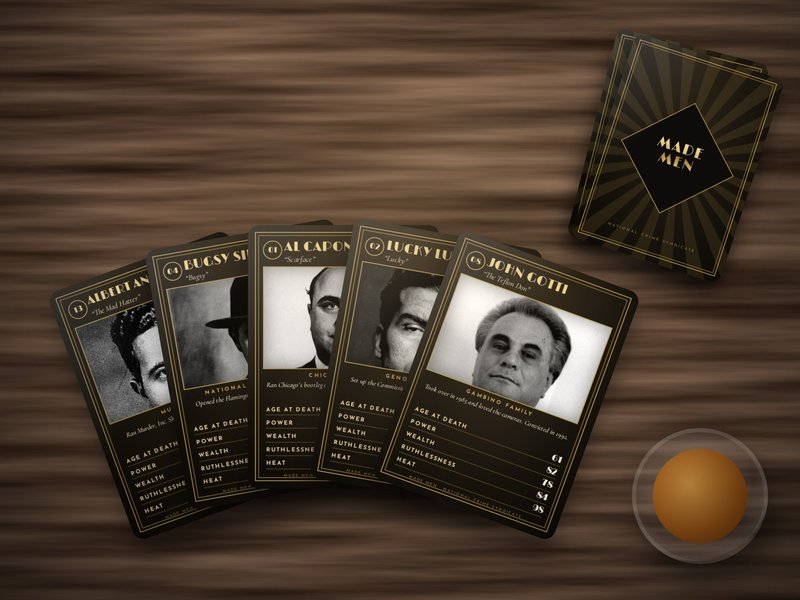
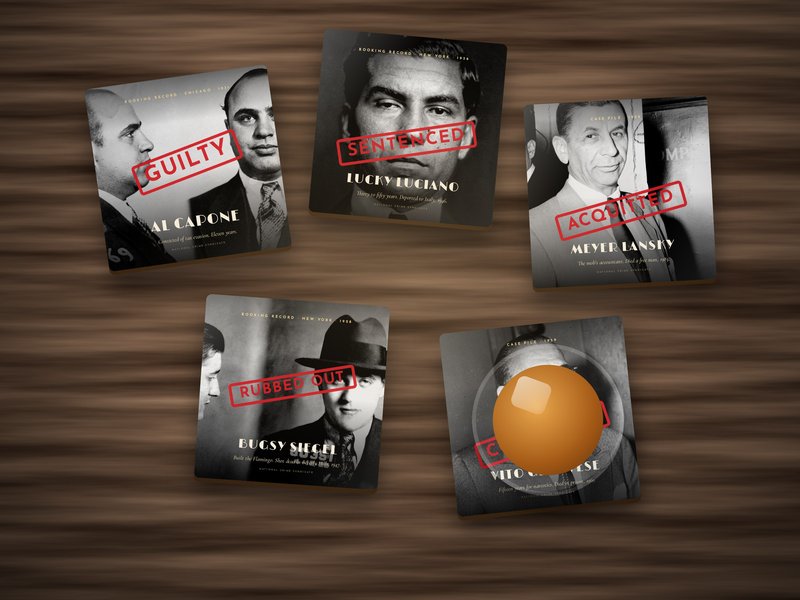
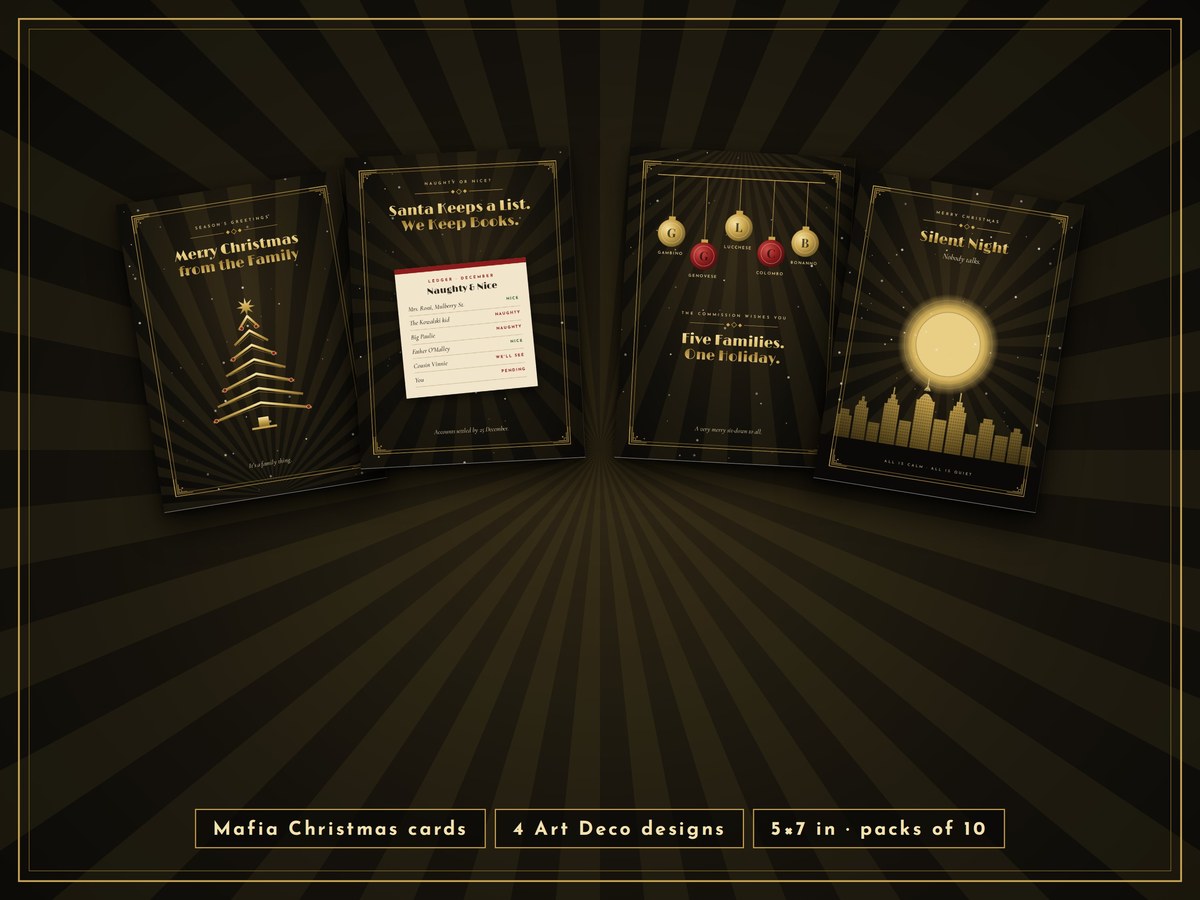
Order printed gifts by 10 December for Christmas · Ships worldwide
What happened
Prohibition had taken effect on 17 January 1920 under the Eighteenth Amendment and the Volstead Act. By the early 1930s, with the country in the Great Depression and public support collapsing, Congress proposed repeal on 20 February 1933. Unusually, it sent the amendment to state ratifying conventions rather than state legislatures, partly to avoid pressure from the temperance lobby.
Ratification took less than ten months. Utah’s convention voted on the afternoon of 5 December, and Acting Secretary of State William Phillips certified the amendment at 5:49 p.m. Eastern time. It remains the only amendment ever to repeal another and the only one ratified by conventions. Section 2 left states free to control alcohol themselves, and some stayed dry for decades. Mississippi did not fully legalise alcohol until 1966.
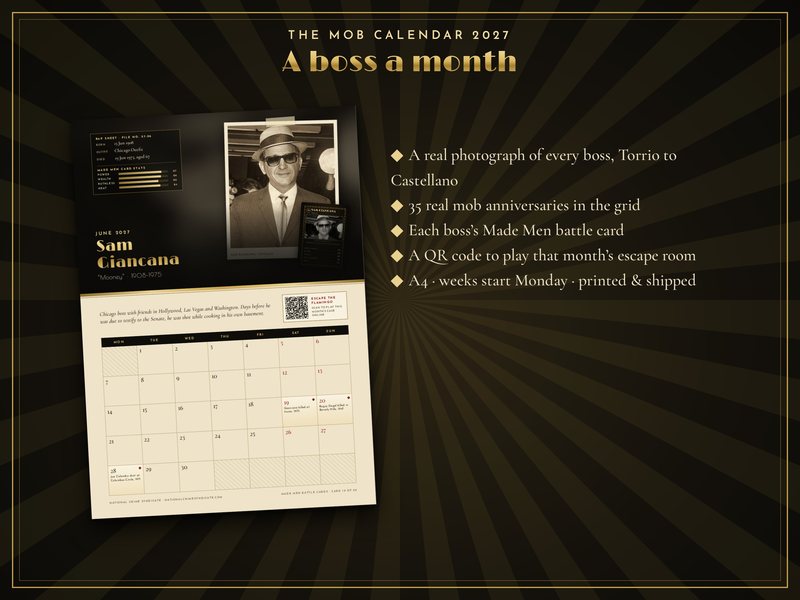
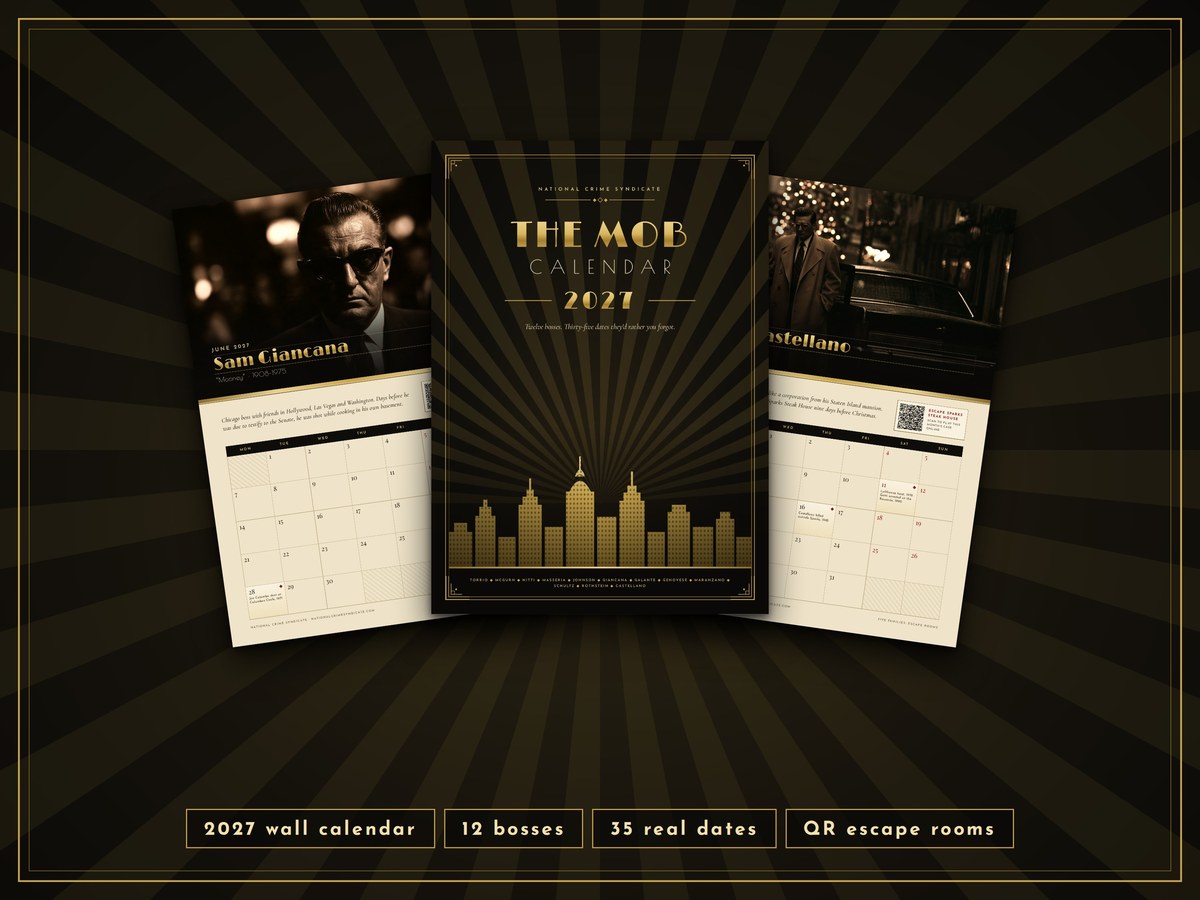
Every date like this one, on your wall
A real photograph of a different boss every month, his rap sheet and the true story, with the anniversaries of famous hits and arrests marked on the grid. Printed to order near you. A gift for the mob-history fan in your life.
See the calendar →Or buy it now: A4 on Etsy · US Letter on Etsy · A4 on eBay UK, with UK delivery from eBay.Christmas cards, framed prints and printable mugshots are in the NCS store.What it meant for the Mob
Bootlegging had transformed the underworld. Gangs that once relied on gambling, prostitution and theft had grown into wealthy, organised businesses with trucks, warehouses, political connections and payrolls of police. Repeal removed that main source of income almost overnight.
The bosses adapted. Many former bootleggers moved into the now legal liquor trade as manufacturers and distributors. Others expanded protection rackets to cover legal bars and other businesses. Gambling became the new engine: Frank Costello shipped slot machines to New Orleans, and Meyer Lansky built a gambling empire that later reached Havana. Labour racketeering grew, with corrupt union officials helping gangsters squeeze employers. Narcotics trafficking, once considered off limits by some older bosses, became a growing source of money.
Why it mattered
The timing helped the Mob survive. In 1931 Lucky Luciano had set up the Commission, giving the Italian American families a structure for dividing territory and settling disputes. That framework let the families switch from beer and whisky to gambling, loansharking and union rackets without the chaos of the early Prohibition wars. The money had changed. The organisation stayed.
Quick facts
- Date: 5 December 1933
- Deciding state: Utah, the 36th to ratify
- Certified: 5:49 p.m. Eastern time by Acting Secretary of State William Phillips
- Prohibition lasted: 17 January 1920 to 5 December 1933
- Unique: Only amendment to repeal another and only one ratified by state conventions
- Mob shift: Into gambling, labour rackets, loansharking and narcotics
More On This Day in Mob History
Further Reading — Mob History
Go deeper into the stories behind the dates. These are the essential books on organised crime history.
As an Amazon Associate we earn from qualifying purchases.