

How Did Al Capone Die?
Al Capone died of natural causes at his home on Palm Island, Miami Beach, on 25 January 1947. He was 48. Four days earlier he had suffered a stroke; pneumonia and heart failure followed, and he died in the evening with his family around him. By then the man who had run Prohibition Chicago had been out of prison for seven years and out of the rackets for much longer. He had been seriously ill since his years in federal prison, where he was diagnosed with neurosyphilis, a late stage of syphilis that affects the brain.
The NCS team has pieced together his last years from the record: Alcatraz, his release in 1939, the quiet years in Florida and the funeral in Chicago. For the whole of his life and career, start with our Al Capone biography.

Quick facts
| Died | 25 January 1947, in the evening |
| Where | His home on Palm Island, Miami Beach, Florida |
| Age | 48 |
| Cause of death | Heart failure following a stroke (21 January) and pneumonia |
| Underlying illness | Neurosyphilis, diagnosed while he was in federal prison |
| Released from prison | 16 November 1939, at Lewisburg, Pennsylvania |
| First buried | Mount Olivet Cemetery, Chicago, February 1947 |
| Grave today | Mount Carmel Cemetery, Hillside, Illinois |
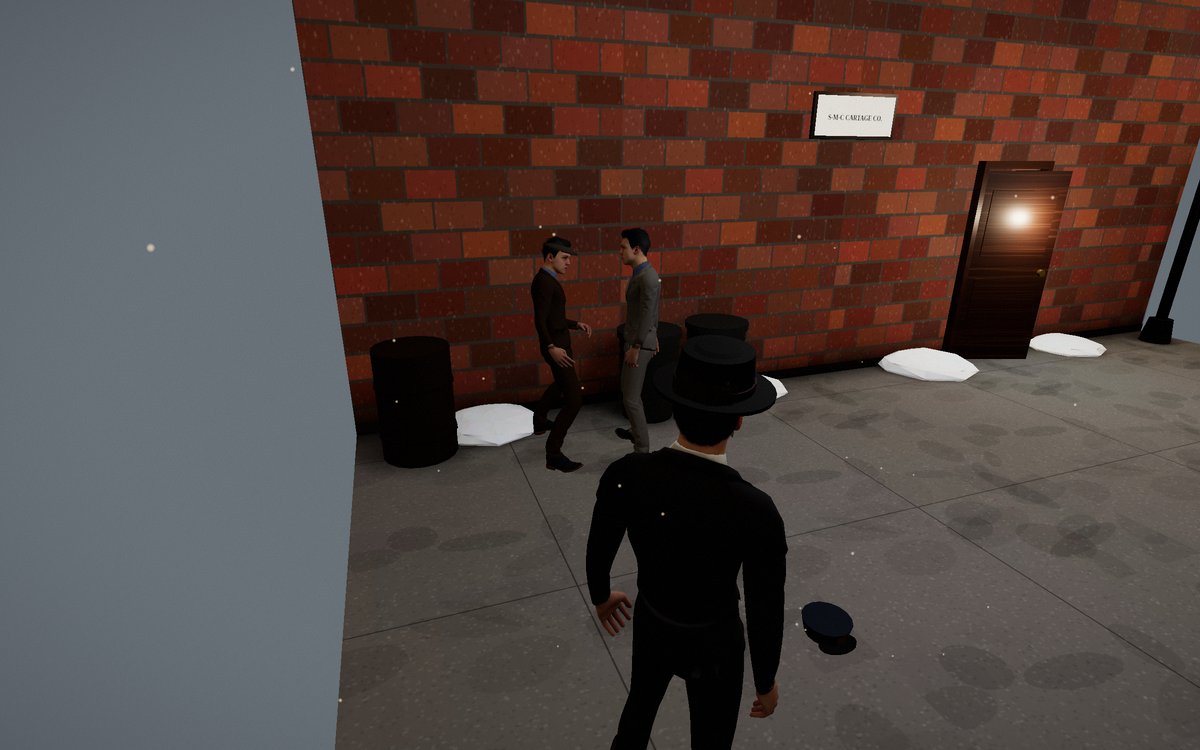
2122 North Clark escape room
Chicago, 14 February 1929. A garage on Clark Street. Walk the scene in 3D, read the real evidence and crack the padlock before the clock runs out.
Play in your browser →No download. Works on phone and desktop. Or start free at the Ravenite.or get the app: App Store · Google PlayFrom Chicago boss to federal prisoner
In October 1931 a federal jury in Chicago convicted Capone on five counts of income tax evasion, and he was sentenced to 11 years in prison. It was the end of his reign over the Chicago Outfit, the organisation he had inherited from Johnny Torrio and built into the richest criminal business in the city (we cover how in the Chicago Outfit during Prohibition).
He was moved to the federal penitentiary in Atlanta in May 1932. There, prison doctors found that he had syphilis, which he had probably carried untreated for years.
The Alcatraz years
In August 1934 Capone was sent to the new federal prison on Alcatraz, in San Francisco Bay, as inmate number 85. Alcatraz was built to hold prisoners like him: men who had been able to buy comforts and influence in ordinary prisons. On the island he had no special treatment.
His health got steadily worse. In 1938 he was formally diagnosed with neurosyphilis, and he spent his last year on Alcatraz in the prison hospital. His Alcatraz term ended in January 1939, and he was moved to the federal prison at Terminal Island, near Los Angeles, to serve a separate sentence for contempt of court.
Release in November 1939
Capone was freed on 16 November 1939. He had been taken by train from California to the federal prison at Lewisburg, Pennsylvania, and was released there quietly to his family and his doctors. Time off for good behaviour meant he had served about seven and a half years of his 11-year sentence.
He did not go back to Chicago. His wife, Mae, had arranged treatment in Baltimore. The Johns Hopkins Hospital refused to admit him because of who he was, so he was treated at Union Memorial Hospital instead, as an inpatient for several weeks and then as an outpatient. In thanks, he gave the hospital two Japanese weeping cherry trees in 1939.
Life at Palm Island
From Baltimore, Capone went to Florida. In 1928, at the height of his power, he had bought a waterfront house on Palm Island, a small man-made island in Biscayne Bay between Miami and Miami Beach. Now it became his permanent home, and Mae and the family looked after him there.

These were quiet years. The Outfit was in other hands, first Frank Nitti and then Paul Ricca and Tony Accardo (see our Chicago Outfit leadership timeline), and Capone played no real part in it. Much of the fortune people imagine he kept had gone; we look at what was left in Al Capone’s net worth.
In 1942 he became one of the first patients in the United States to be treated with penicillin, which was still in short supply during the war. It slowed the disease but could not undo the damage already done. By 1946 the doctors who examined him reported that his mental capacity was severely reduced.
The stroke in January 1947
On 21 January 1947, four days after his 48th birthday, Capone suffered a stroke at Palm Island. He seemed at first to be recovering, but he developed pneumonia, and his heart began to fail.
25 January 1947
Al Capone died in the evening of 25 January 1947 at his Palm Island home, with his family around him. The recorded cause was heart failure following the stroke.

So the answer to “how did Al Capone die?” is a plain one. He was not shot, he did not die in prison, and he did not die in Chicago. He died of natural causes, in bed, at home, after years of illness that began long before he left Alcatraz.
The funeral and burial
The family kept the arrangements private. After a small service in Miami Beach, his body was taken to Chicago. He was buried at Mount Olivet Cemetery on Chicago’s South Side in early February 1947, next to his father, Gabriele, and his brother Frank.
In the early 1950s (sources give different years) the remains of Capone, his father and his brother were moved to Mount Carmel Cemetery in Hillside, a suburb west of Chicago. Mae stayed on at Palm Island for several years before selling the house. She died in 1986.
Al Capone’s last words and last photo
Last words: we have found no reliable record of any last words. Quotes that circulate online as “Capone’s last words” don’t appear in the contemporary reporting we checked, so we don’t repeat them here.

Last photo: photographs of Capone at Palm Island in the 1940s, often in casual clothes by the water, are widely shared as “the last photo of Al Capone”. We have not been able to confirm which picture was actually taken last, so we don’t label any single image that way.
More on Capone and his world
Read the full Al Capone biography, the story of the St Valentine’s Day Massacre, our profile of Frankie Yale, the Brooklyn boss who gave the young Capone his first job, and how another great boss ended his days in how did Lucky Luciano die?
Want to step inside the story? Try our real crime-scene escape rooms in your browser: Five Families escape rooms.
FAQs
How did Al Capone die?
Al Capone died of natural causes. He suffered a stroke on 21 January 1947, developed pneumonia, and died of heart failure on 25 January 1947 at his home on Palm Island, Miami Beach. He was 48.
What was Al Capone’s cause of death?
The recorded cause was heart failure following a stroke. He had also been seriously ill for years with neurosyphilis, which was diagnosed while he was in federal prison.
Did Al Capone die in prison?
No. He was released from federal custody on 16 November 1939 and died at home in Florida more than seven years later.
How old was Al Capone when he died?
He was 48. He was born on 17 January 1899 and died on 25 January 1947.
Where is Al Capone buried?
He was first buried at Mount Olivet Cemetery in Chicago in February 1947. In the early 1950s his remains were moved to Mount Carmel Cemetery in Hillside, Illinois, where his grave is today.
What were Al Capone’s last words?
No reliable source records any last words. Quotes shared online as his last words are not found in the contemporary reporting.
Where did Al Capone live after Alcatraz?
After treatment in Baltimore, he lived at the house he had bought in 1928 on Palm Island, in Biscayne Bay between Miami and Miami Beach, until his death.