

Griselda Blanco
Griselda Blanco was a Colombian drug trafficker who ran a cocaine smuggling and distribution operation in New York and then Miami in the 1970s and early 1980s. Known as the “Cocaine Godmother” and the “Queen of Cocaine”, she was one of the first Colombian women to traffic cocaine into the United States on a large scale, and her organisation was tied to some of the worst violence of Miami’s cocaine wars. She spent almost 20 years in US prisons, was deported to Colombia in 2004, and was shot dead in Medellín on 3 September 2012, aged 69.
🎁 The NCS Christmas Gift Guide
Gifts for the
Mob-History Fan
Real gangsters, gold Art Deco. Printed to order and shipped from a print partner near them.
Shop the gift guide →
Order printed gifts by 10 December for Christmas · Ships worldwide
This is her story: a childhood in the slums of Medellín, a federal indictment in New York, the Miami years, the DEA arrest that ended them, and the three murders she finally admitted to.

Quick facts
| Full name | Griselda Blanco Restrepo |
| Born | February 1943, on Colombia’s Caribbean coast (usually given as Cartagena; sources differ on the day and place) |
| Raised | Medellín, from about the age of three |
| Known as | The Cocaine Godmother; the Queen of Cocaine |
| Indicted | April 1975, New York, federal drug conspiracy charges |
| Arrested | February 1985, Irvine, California, by DEA agents |
| Convicted | 1985, New York: drug conspiracy, sentenced to 15 years. 1998, Miami: pleaded guilty to three counts of second-degree murder, 20 years to run concurrently |
| Deported | 2004, to Colombia |
| Died | 3 September 2012, Medellín, aged 69 |
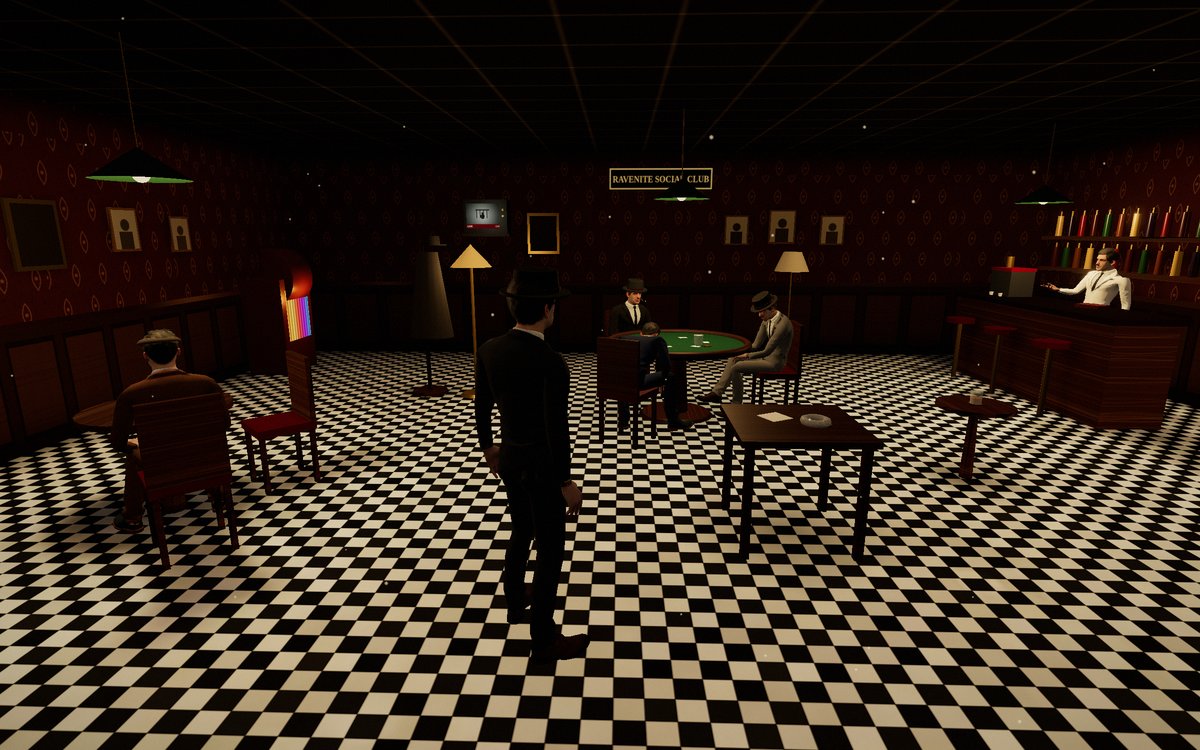
The Ravenite escape room
247 Mulberry Street, December 1989. The FBI hit the building next. Walk the scene in 3D, read the real evidence and crack the padlock before the clock runs out.
Play free in your browser →No download. Works on phone and desktop.or get the app: App Store · Google PlayEarly life
Griselda Blanco Restrepo was born in February 1943. Most sources give her birthplace as Cartagena; some say Santa Marta, and the exact day differs between accounts. When she was about three, her mother moved to Medellín, and she grew up poor in the city’s rough neighbourhoods.

Stories about her childhood, including claims that she was involved in a kidnapping as a young girl, come mainly from people who knew her later and cannot be checked. What is clear is that she left home young, lived by petty crime, and married for the first time as a teenager. Her first husband, Carlos Trujillo, was a forger; they had three sons before divorcing.
New York
Blanco went to the United States using false papers and settled in Queens, New York, with her second husband, Alberto Bravo, who was involved in cocaine smuggling. By the early 1970s the couple were running a distribution operation that brought cocaine from Colombia into New York.
In April 1975 federal prosecutors indicted Blanco and about 30 others on drug conspiracy charges after an investigation known as Operation Banshee. It was one of the biggest cocaine cases of its time. Blanco avoided arrest by fleeing to Colombia. The same year Bravo was killed in a shootout in Colombia; Blanco was suspected of being behind it, though she was never charged.

Miami and the cocaine wars
In the late 1970s Blanco returned to the United States and set up in Miami. South Florida had become the main entry point for Colombian cocaine, much of it controlled by the traffickers of the Medellín Cartel. Blanco ran her own organisation alongside them. She is often described as part of the Medellín networks, but there is no firm evidence that she was a member of the cartel itself, and reporting at the time of her death credited her with building smuggling routes that the Medellín traffickers later used.
At its peak her organisation was reported to be moving more than 1,500 kilograms of cocaine a month. It was also extremely violent. Between about 1979 and the early 1980s, Miami saw a wave of killings between rival Colombian groups and their dealers; the 1979 shooting at Dadeland Mall became a symbol of that era. Investigators came to believe that Blanco’s organisation was behind many of the killings. Their estimates of the number of deaths linked to her start at about 40, and some accounts give much higher figures.
Her personal life was as violent as her business. All three of her husbands died violently. Her third husband, Darío Sepúlveda, was killed in Colombia in 1983, and again Blanco was suspected, though never charged.
Arrest and the federal case
By 1984 the pressure in Miami had become too much, and Blanco moved to California. In February 1985 DEA agents arrested her at her home in Irvine, on the 1975 New York charges. She was tried in New York in 1985, convicted of drug conspiracy and sentenced to 15 years in federal prison.
The Miami murder case
While she was in prison, Florida prosecutors built a murder case against her. The killings included the 1982 shooting of a former member of her organisation in which his two-year-old son was also killed.
The case was later damaged by a scandal at the Miami-Dade state attorney’s office. In 1998 Blanco agreed to a plea deal: she pleaded guilty to three counts of second-degree murder and was sentenced to 20 years, to run concurrently with her existing sentence. The deal meant she avoided a possible death sentence.
Deportation and death
In 2004, after almost 20 years in prison in the United States, Blanco was released and deported to Colombia. Her family later said she had cut her ties with organised crime after returning to Colombia.
On 3 September 2012, Blanco was shot outside a butcher’s shop in Medellín by a gunman riding pillion on a motorcycle, and died on the way to hospital. She was 69. Police said the killing may have been an act of revenge, but no motive was ever confirmed. The method was one that Blanco herself has often been credited with bringing to the Miami drug trade.
Legacy
Blanco is remembered as one of the most violent figures of the cocaine era, and one of the very few women to run a major trafficking operation. The people at the centre of her story, though, are the dozens who died in Miami’s cocaine wars, many of them killed in public places.
For the bigger picture, read The Medellín Cartel and our biography of Pablo Escobar. You can also see how she compares with other notorious names in the top mobsters of all time.
FAQs
Who was Griselda Blanco?
Griselda Blanco was a Colombian drug trafficker, known as the “Cocaine Godmother”, who ran cocaine operations in New York and Miami in the 1970s and 1980s. She was convicted in the United States of drug conspiracy and later pleaded guilty to three murders.
How did Griselda Blanco die?
She was shot dead by a gunman on a motorcycle outside a butcher’s shop in Medellín on 3 September 2012. She was 69.
Was Griselda Blanco part of the Medellín Cartel?
She is often linked with the Medellín Cartel, and she worked in the same Miami trade at the same time, but she ran her own organisation and there is no firm evidence she was a member of the cartel itself.
When was Griselda Blanco arrested?
DEA agents arrested her at her home in Irvine, California, in February 1985. She was convicted in New York later that year and sentenced to 15 years.
What murders did Griselda Blanco plead guilty to?
In 1998, in Miami, she pleaded guilty to three counts of second-degree murder and was sentenced to 20 years, to run concurrently with her drug sentence.
When was Griselda Blanco deported?
She was released from US prison and deported to Colombia in 2004, after almost 20 years in custody.
Did Griselda Blanco know Pablo Escobar?
Both were from Medellín and both were part of the same cocaine trade into Florida, but there is no reliable record of a close working relationship between them.