

Calogero Vizzini: Don Calò of Villalba, the Sicilian Mafia’s Best-Known Boss

Calogero Vizzini, known as Don Calò, was the Mafia boss of Villalba, a farming town in the interior of Sicily, and in the 1940s and early 1950s the most famous mafioso on the island. After the Allied invasion of Sicily in July 1943, the Allied military government appointed him mayor of his home town. In 1944 a political rally in Villalba ended in gunfire, and he was later charged over it. He died in 1954 without ever being convicted, and thousands attended his funeral.
🎁 The NCS Christmas Gift Guide
Gifts for the
Mob-History Fan
Real gangsters, gold Art Deco. Printed to order and shipped from a print partner near them.
Shop the gift guide →

Order printed gifts by 10 December for Christmas · Ships worldwide
He is also one of the most mythologised figures in Mafia history. Stories that he helped guide the US Army across Sicily, or that he was “boss of bosses” of the whole Sicilian Mafia, have been questioned by historians and denied by later Mafia informants. This is what the record supports, and where the legend takes over.

Quick facts
| Born | 24 July 1877 (most accounts), Villalba, province of Caltanissetta, Sicily |
| Known as | Don Calò |
| Base | Villalba, central Sicily |
| Businesses | Land, grain brokerage and sulphur mining |
| Public office | Mayor of Villalba, appointed by the Allied military government in 1943 |
| Charged | Over the 16 September 1944 shooting at a Villalba rally; he died before the case ended |
| Died | 10 July 1954, Villalba, aged 76 |
| Convictions | None that stood: he was never finally convicted |
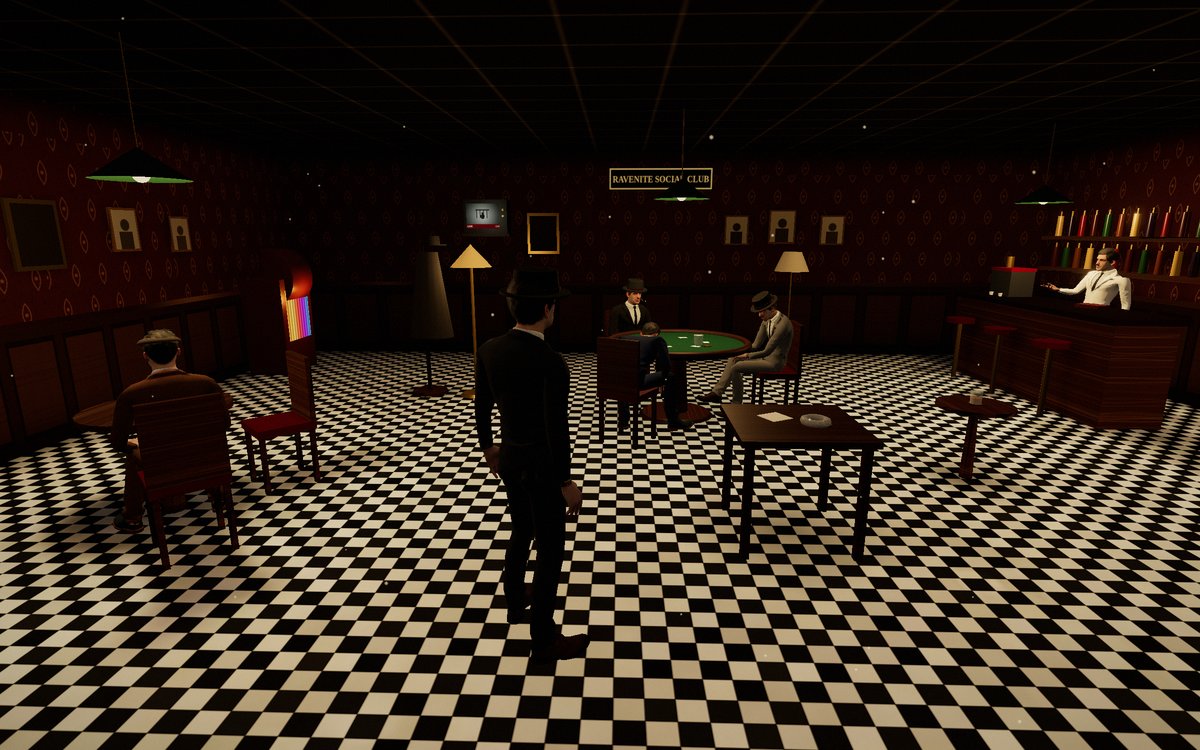
The Ravenite escape room
247 Mulberry Street, December 1989. The FBI hit the building next. Walk the scene in 3D, read the real evidence and crack the padlock before the clock runs out.
Play free in your browser →No download. Works on phone and desktop.or get the app: App Store · Google PlayA village boy with powerful relatives
Vizzini was born in Villalba in 1877, into a poor rural world of large estates, landless labourers and absent landlords. He had little formal schooling. What he did have was family in the Church: two of his brothers became priests in Villalba, and a relative on his mother’s side rose high in the Catholic hierarchy. Those connections stayed useful to him all his life.
As a young man in the 1890s he was part of the local protection network around the estates, the kind of system out of which the rural Mafia grew (see our ultimate Mafia glossary for terms such as mafioso and omertà). He moved into brokering grain transport and dealt with bandits who operated in the area. According to his biographers, he was arrested in 1902 along with members of a bandit gang, and was acquitted.
Land, sulphur and war profits
In the early 20th century Vizzini built up land and influence. During the First World War, according to most accounts, he profited from supplying horses and mules to the Italian army, and he faced criminal charges over it, but was not finally convicted. He moved into the sulphur industry of central Sicily, one of the island’s main sources of wealth, and acted for mine owners in business meetings beyond Sicily.
Police files of the time attributed many crimes to him, but historians have pointed out how few of these were ever proved in court. Through his whole life the pattern was the same: arrests and trials, followed by acquittals or cases that fell apart.
The Fascist years
Vizzini was initially friendly to Fascism, but that changed when Benito Mussolini sent Prefect Cesare Mori, the “Iron Prefect”, to Sicily in the mid-1920s to crush the Mafia. Mori’s campaign put thousands of suspected mafiosi on trial. According to most accounts, Vizzini was among those prosecuted, and he spent part of the 1930s away from Villalba before returning later in the decade. The Mafia survived the crackdown, weakened but intact, and was ready to re-emerge when Fascism fell.
1943: the Allies arrive
Allied forces landed in Sicily in July 1943. The Allied Military Government of Occupied Territories, known as AMGOT, needed local figures to run towns where the Fascist officials had fled or been removed. In Villalba it appointed Calogero Vizzini as mayor. Other men with Mafia backgrounds were given similar roles elsewhere on the island, and after the war a number of jailed or exiled mafiosi returned home.

This is where the most famous legend about him begins. A popular story says that the Mafia guided the American advance across Sicily, that Vizzini’s men were signalled with a handkerchief or scarf bearing the initial of Lucky Luciano, and that US tanks came to Villalba to collect him. Historians including Salvatore Lupo and Tim Newark have rejected this version, and there is no good evidence for it. Some local Mafia co-operation with the Allies is plausible, but the details of the legend are not supported by the record.
Separatism and politics
After 1943 Vizzini was involved with the Sicilian independence movement, which wanted Sicily to break away from Italy. When it became clear independence would not happen, he moved towards the Christian Democrats, the party that went on to dominate Italian politics after the war, and supported them in the 1948 election campaign. His political shifts followed one rule: back whoever was likely to hold power.
The Villalba rally shooting, 16 September 1944
On 16 September 1944, the Communist leader Girolamo Li Causi and the local socialist Michele Pantaleone held a rally in Villalba, appealing directly to landless peasants. When Li Causi spoke of a powerful local landholder exploiting the peasants, Vizzini, who was in the crowd, interrupted and shouted that it was a lie. Shooting broke out. Fourteen people were wounded, including both Li Causi and Pantaleone.
It was one of the first major acts of Mafia violence against the left in post-war Sicily. Vizzini and his bodyguard were charged with attempted manslaughter. The case dragged on for years and much of the evidence disappeared; Vizzini died before any final verdict, so he was never convicted over it.
Death and funeral
Vizzini died on 10 July 1954, aged 76, while being taken home to Villalba by ambulance from a clinic in Palermo. His funeral drew thousands of peasants dressed in black, along with politicians and priests. Leading mafiosi attended, including Giuseppe Genco Russo, often described as his successor, and the Palermo boss Francesco Paolo Bontade, who was one of the pallbearers. Villalba closed its offices in mourning.
Boss of bosses? The myth and the record
For decades Vizzini was described in the press as the “boss of bosses” of the Sicilian Mafia. Italian anti-Mafia reports later called him the recognised head of the Mafia in Sicily. But the Sicilian Mafia did not have a single supreme boss in his time, and the later informants Tommaso Buscetta and Antonio Calderone both denied that Vizzini had led the whole organisation. Since the 1990s, historians have generally argued that his power was real in his own district but exaggerated beyond it.
The Mafia that came after him was very different: urban, tied to construction and the heroin trade, and run through a collective commission, a story that leads to Totò Riina and the Maxi Trial of the 1980s. For how a Mafia family is organised, see how a Mafia family is structured.
If you want to explore the history of the mob through play, try our Five Families escape rooms.
Related reading: Lucky Luciano · Totò Riina · The Maxi Trial, Falcone and Borsellino · The history of the National Crime Syndicate
FAQs
Who was Calogero Vizzini?
Calogero Vizzini, known as Don Calò, was the Mafia boss of Villalba in central Sicily. He was appointed mayor of Villalba by the Allied military government in 1943 and died in 1954.
Was Calogero Vizzini the boss of the Sicilian Mafia?
He was often called that in the press, but the Sicilian Mafia had no single boss at the time, and later informants Tommaso Buscetta and Antonio Calderone denied that he led it. Most historians now see him as a powerful local boss whose reach was exaggerated.
Did the Mafia help the Allies invade Sicily?
Some local co-operation is possible, but the famous story of Vizzini guiding US tanks with a scarf linked to Lucky Luciano is rejected by historians and is not supported by evidence.
Why was Vizzini made mayor of Villalba?
After the July 1943 landings, the Allied military government needed local leaders to replace Fascist officials. Vizzini was a powerful figure in Villalba with Church connections, and he was appointed mayor.
What happened at Villalba on 16 September 1944?
A rally by Communist leader Girolamo Li Causi ended in shooting after Vizzini interrupted him. Fourteen people were wounded. Vizzini was charged but died before a verdict.
When did Calogero Vizzini die?
He died on 10 July 1954, aged 76, while being taken home to Villalba from a Palermo clinic.