

The Brink’s-Mat robbery, 1983
The Brink’s-Mat robbery was the armed raid on a Brink’s-Mat security warehouse near Heathrow Airport on 26 November 1983. Six masked men, let in with the help of a guard, found about three tonnes of gold bullion, worth around £26 million at the time, and drove away with almost all of it.
🎁 The NCS Christmas Gift Guide
Gifts for the
Mob-History Fan
Real gangsters, gold Art Deco. Printed to order and shipped from a print partner near them.
Shop the gift guide →

Order printed gifts by 10 December for Christmas · Ships worldwide
Taking the gold proved easier than turning it into money. The hunt for the bullion ran for years, led to a police officer’s death in a Kent garden, and dragged in smelters, dealers and bankers. Most of the gold has never been found.

Quick facts
| Date | 26 November 1983, shortly after 6.30am |
| Where | Brink’s-Mat warehouse on a trading estate at Heathrow Airport, west London |
| Gang | Six armed men in balaclavas |
| Taken | About three tonnes of gold bars (some accounts add diamonds and cash); around £26 million in total |
| Owner of the gold | Johnson Matthey Bankers |
| Inside man | Security guard Anthony Black (jailed for six years) |
| Jailed | Brian Robinson and Micky McAvoy, 25 years each (December 1984) |
| Recovered | Only a small fraction of the gold |
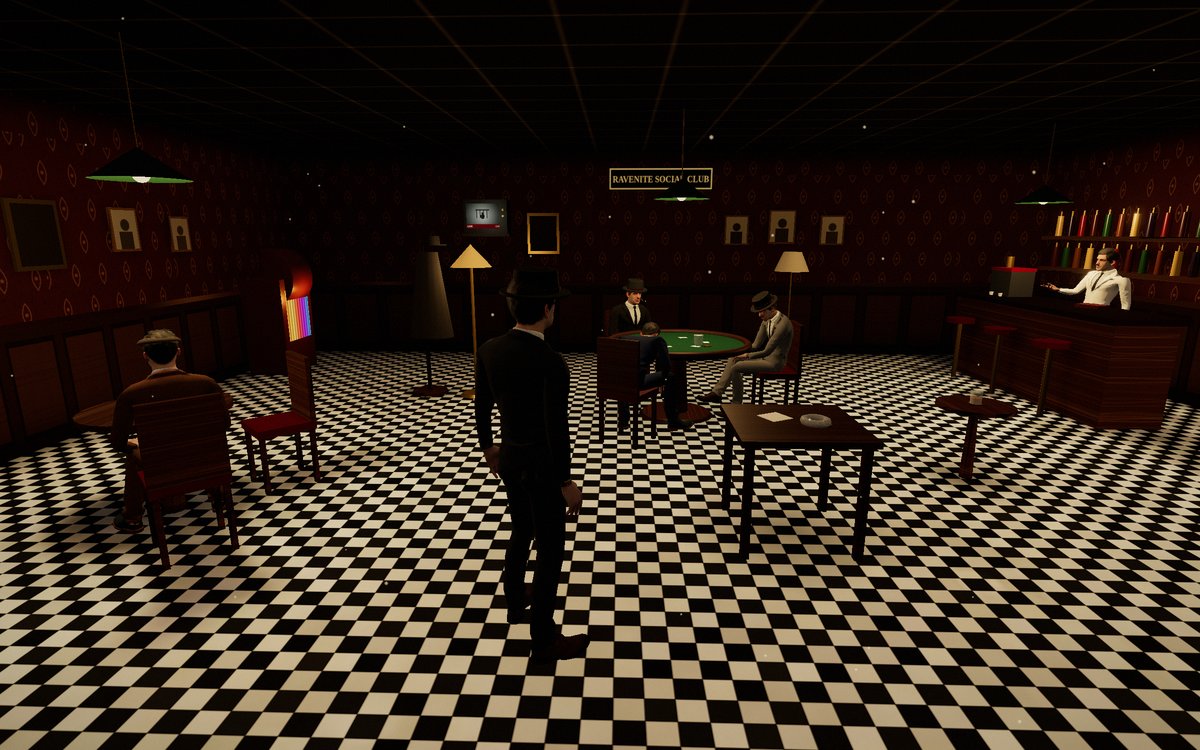
The Ravenite escape room
247 Mulberry Street, December 1989. The FBI hit the building next. Walk the scene in 3D, read the real evidence and crack the padlock before the clock runs out.
Play free in your browser →No download. Works on phone and desktop.or get the app: App Store · Google PlayThe raid
The warehouse stored valuables passing through Heathrow. Just after 6.30am on a Saturday morning, the armed gang got in through a back door, took control of the building and got into the vault.
What they found was gold: thousands of bars, packed in dozens of boxes. They loaded it up and left.
The inside man
The police quickly focused on the guards. One of them, Anthony Black, turned out to be the brother-in-law of Brian Robinson, a south London armed robber. Black confessed that he had let the gang in and given them information about the warehouse. He named Robinson and Micky McAvoy as two of the robbers.
Black was jailed for six years after co-operating with the police.
The trials
Robinson and McAvoy were convicted and, in December 1984, each was sentenced to 25 years. Only a few of the men believed to have planned and carried out the raid were ever convicted of the robbery itself. The gold was another matter: by the time the two men were in prison, much of it had already gone.
Following the gold
Gold bars carry markings, so the bullion could not simply be sold. According to accounts of the investigation, it was smelted down and mixed with copper so that it could not be traced, then sold back into the market as if it were legitimate scrap.
The money trail led police to the West Country, where very large cash withdrawals, around £3 million from a single Bristol bank branch, attracted attention. In the south-east, detectives began watching Kenneth Noye, a Kent man they suspected of helping to move the gold. Investigators believed much of the gold was eventually recycled into the London jewellery trade, including Hatton Garden, or moved abroad.

The death of DC John Fordham
In January 1985, Detective Constable John Fordham, an undercover officer watching Noye’s house in West Kingsdown, Kent, was stabbed to death in the grounds. Noye said he had acted in self-defence, and a jury acquitted him of murder. Police searching the property found 11 gold bars.
In 1986 Noye was convicted of conspiracy to handle gold from the Brink’s-Mat robbery and of conspiracy to evade VAT, and was jailed for 14 years. Read more: Kenneth Noye.
What happened to the gold
Of the three tonnes taken, only a small part has ever been accounted for. The rest is believed to have been melted, sold and spread through the jewellery trade and offshore accounts long ago. In the years that followed, several people linked to the case were themselves shot dead or disappeared, which has given the case a dark reputation ever since.
Why it still matters
The Brink’s-Mat raid changed how British police dealt with robbery. Stealing the gold took the gang a morning; following its proceeds through companies, banks and property took detectives years. In our view that is the real lesson of the case: two of the robbers were jailed within about a year, but the money was the hard part.
Related reading
Read more: Kenneth Noye, The Great Train Robbery, 1963, The Kray Twins and our mafia and crime glossary.
Like solving real crime history? Try our Five Families escape rooms in your browser.
FAQs
What was the Brink’s-Mat robbery?
The Brink’s-Mat robbery was an armed raid on a Brink’s-Mat warehouse near Heathrow Airport on 26 November 1983. Six robbers took about three tonnes of gold bullion, worth around £26 million at the time.
How much was stolen in the Brink’s-Mat robbery?
About £26 million in gold bars, diamonds and cash at 1983 values. Most of that was gold, around three tonnes of it.
Who was convicted of the Brink’s-Mat robbery?
Brian Robinson and Micky McAvoy were each jailed for 25 years in December 1984. Security guard Anthony Black, who let the gang in, was jailed for six years.
Was the Brink’s-Mat gold ever found?
Only a small amount. Police found 11 gold bars at Kenneth Noye’s home in Kent. Most of the rest is believed to have been smelted and sold, and has never been recovered.
What was Kenneth Noye’s role in Brink’s-Mat?
Kenneth Noye was convicted in 1986 of conspiracy to handle gold from the Brink’s-Mat robbery and of conspiracy to evade VAT, and was jailed for 14 years. He was not convicted of the robbery itself.
Who was DC John Fordham?
John Fordham was an undercover police detective constable who was stabbed to death in January 1985 while watching Kenneth Noye’s home in Kent during the Brink’s-Mat investigation. Noye was acquitted of his murder after saying he acted in self-defence.